
Doing market research in Singapore is rarely “just research.” It is usually a personal data exercise. Singapore is described as a hyper-connected nation where cellular connections exceed 162% of the population, which points to multi-device behavior and makes digital, mobile-optimised research a baseline. At the same time, Singapore’s consumer base is not a single block. Residents are 69% of the population (Citizens 3.66M and Permanent Residents 0.54M), while non-residents are 31% (1.91M). Research designs should reflect that split and the different needs behind it. For PDPA compliant market research Singapore teams, the core goal is simple: collect only what you can justify, explain why you need it, and control it from collection to deletion.
Start with governance. The PDPC’s position is that every organisation must have at least one individual responsible for PDPA compliance. This Data Protection Officer does not need to be a data protection lawyer, but must have practical knowledge of Singapore’s data protection laws and the ability to assess and manage data-related risks. In a research setting, that translates into clear ownership over scripts, consent language, survey tools, incentive workflows, vendor onboarding, and breach escalation. Enforcement risk is real. The PDPC can impose penalties of up to S$1 million or 10% of annual Singapore turnover (whichever is higher for organisations with annual Singapore turnover above S$10 million) for intentional or negligent breaches under Section 48J. In October 2025, Marina Bay Sands was fined S$315,000 after personal data belonging to 665,495 patrons was exposed and sold on the dark web.
A Practical PDPA Checklist for Research Projects
Build compliance into your project plan, not as a final review. When commissioning fieldwork like interviews, surveys, focus groups, ethnography, product testing, mystery shopping, or market entry research, define what personal data is required and what is optional. Use a documented purpose statement and align it to consent and notification steps. Avoid “just in case” data fields, and consider whether identifiers are truly needed for analysis. Use reputable sources of market context too. Singapore’s Department of Statistics (SingStat) is described as an “ultimate source of truth” for credible data on the economy and population, including the “Data for Businesses” dashboard, the Household Expenditure Survey (HES), and the SingStat Mobile App with over 300 charts. Using official data can reduce the need to over-collect personal data in primary research.
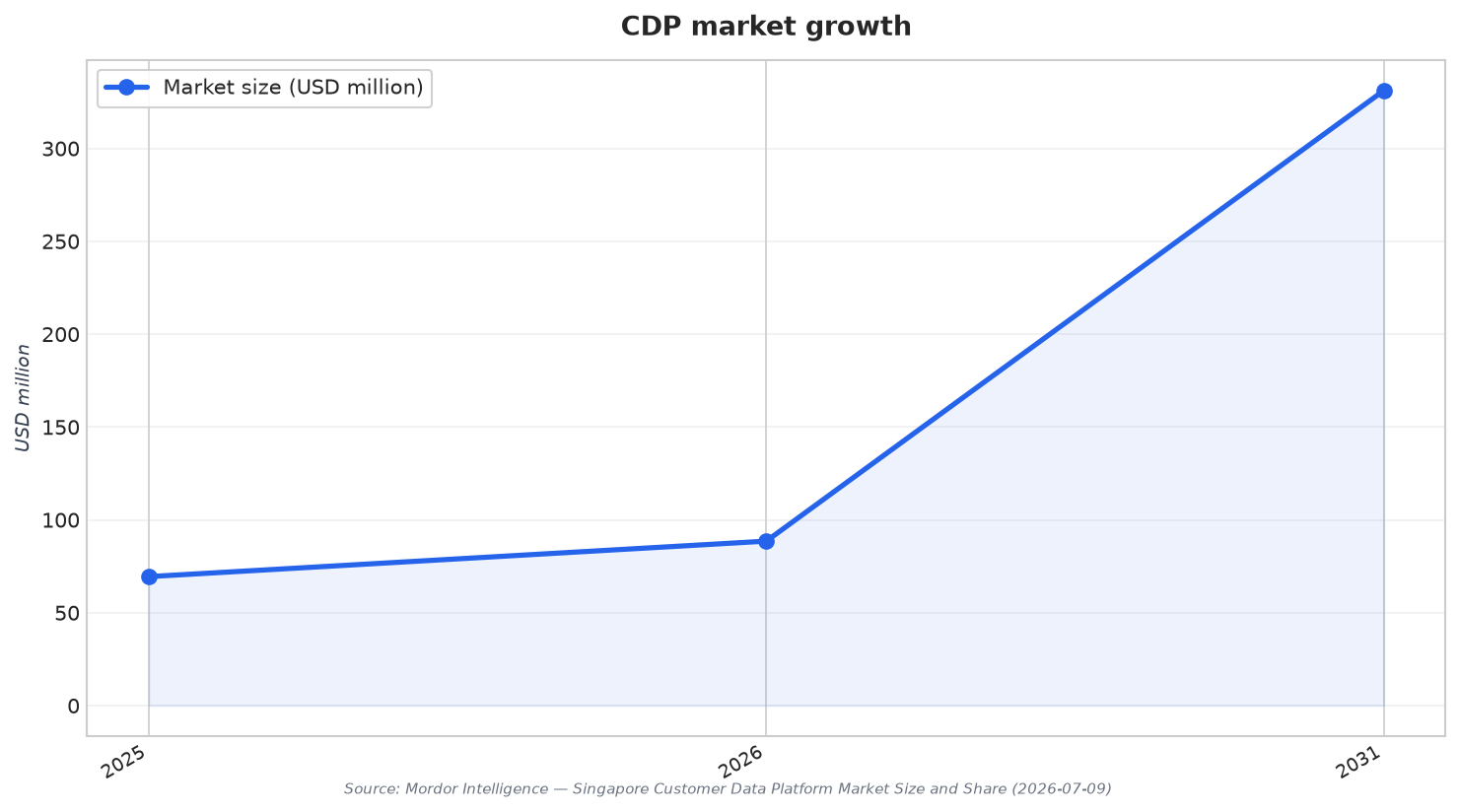
Retention and deletion deserve special attention because they are also a common gap. A cited common PDPA compliance gap for SMEs is the absence of a documented data retention and deletion process. Many organisations collect personal data but have no process for deciding when to delete it. For market research, define timelines for raw recordings, transcripts, contact lists, incentive payout logs, and analysis datasets, and ensure deletion is actually executed. This matters even more as companies consolidate customer data. The Singapore customer data platform market was valued at USD 69.46 million in 2025 and was estimated to grow from USD 88.55 million in 2026 to USD 331.14 million by 2031, at a CAGR of 30.19% (2026–2031). In 2025, cloud accounted for 65.23% of the market, and large enterprises held 71.23%. Centralisation can improve control, but only if retention limits and access controls are actively governed.
Finally, connect research methods to operational reality. Providers note that conducting market research in Singapore can be costly due to high wages, rental costs, and general operational expenses, so compliance should reduce rework, not create it. If you use agencies or panels, evaluate how they collect and protect data, and ensure your contract reflects who does what under the PDPA. Some firms emphasize scale and experience, such as an agency citing 235+ projects since 2016 and a 100,000-member proprietary panel. Regardless of supplier size, your internal owner should ensure consent records, secure storage, and deletion workflows are consistent across tools and teams. PDPA-aligned processes also support first-party data strategies seen in Singapore retail, where stronger loyalty playbooks build first-party data reservoirs for compliant personalization under PDPC rules.
How do I run PDPA-compliant market research in Singapore without slowing down the project?
What penalties and real cases show the risk of PDPA non-compliance?
Who should own PDPA compliance inside a market research team?
How can official datasets reduce personal data collection in Singapore studies?