The Philippines is described as a key country in Southeast Asia, shaped by varied cultural influences, languages, and economic ties. Sources also describe a population pushing past the 100 million mark and an economy that has shown consistent growth in past decades. That mix creates opportunity, but it also raises the cost of guessing. Market research in the Philippines is positioned as essential because socio-cultural dynamics and diverse regional markets can change how people respond to the same product, message, or channel. Research can support risk mitigation by surfacing local challenges and potential regulatory hurdles, while also improving campaign relevance for stronger ROI, and enabling product localization around Filipino values, preferences, and pain points.
For deeper consumer understanding, qualitative approaches add what “numbers” often cannot. Qualitative data analysis focuses on non-numerical inputs like words, images, and observations to uncover themes, patterns, and meanings. It is built to capture what people think and why they act a certain way, often through conversations, interviews, and observation. One source warns how “shiny numbers” can mislead if teams do not understand drivers. For example, a company may see customers rate service 4 out of 5, assume speed is the reason, and implement chatbots to increase response times. But in-depth interviews could reveal that the personal touch from staff at the start is what customers value most, changing the best next action.
How to Use In-Depth Interviews and Focus Groups in the Philippines
In the Philippines, the need for nuance is reinforced by how consumer behavior is framed in the sources. Filipino purchase behavior is described as shaped by strong community bonds, significant digital engagement, and deep brand loyalty, with economic boosts from overseas remittances. A cited insight from Josiah Go adds a practical lens: “Filipinos buy based on emotion and justify with logic.” This is where interviews shine. They allow personal, contextual follow-ups that can uncover emotional triggers, trust cues, and the language people use when they rationalize choices. They also help address regional diversity and cultural variation across the country, which sources say can require tailored, localized strategies.
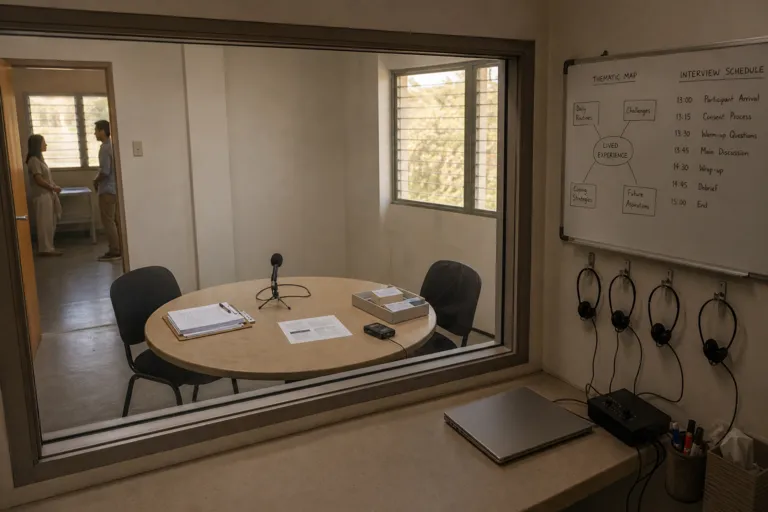
Method selection should balance depth, time, and the type of decision you need to support. Sources contrast quantitative research, which collects numerical data from large samples to identify patterns and draw statistically reliable conclusions, with qualitative research, which uses smaller samples so more time can be spent with each person. Practical sizing guidance is provided: for in-depth interviews, 10 to 15 participants can be sufficient, while a focus group usually has 6 to 10 participants. Another source gives typical session lengths: 30-minute one-on-one interviews and 90-minute focus groups. These numbers are not about statistical significance; they are designed to reach depth and detail.
Execution and analysis are where insights become usable. Qualitative work can be resource-intensive per participant because of recruitment, moderation, and analysis, and a single hour of recorded interview can take a full day to transcribe before analysis even begins. Still, the payoff is clarity around “why,” not just “what.” A practical example describes running focus groups to discuss online shopping layout and brand trust, plus in-depth interviews with cart abandoners. The analysis reveals themes such as confusing sizing information and a checkout process that feels untrustworthy. For qualitative research Philippines teams can act on, keep the process customer-led, avoid putting words in respondents’ mouths, and translate themes into specific product, messaging, and experience adjustments that feel personal and relevant.
Why are in-depth interviews useful for understanding Filipino consumers?
How many participants do you need for in-depth interviews or focus groups?
What’s the difference between qualitative and quantitative market research?
How long are typical qualitative sessions?
How can qualitative research in the Philippines reduce business risk?