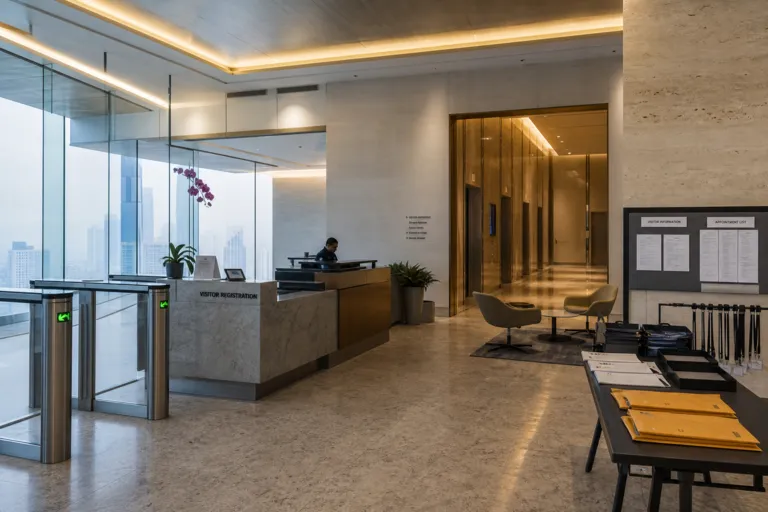
In Malaysia, strong B2B studies are built around access. B2B market research is the structured collection and analysis of data about business buyers, market size, competitive dynamics, and purchasing behavior in markets where customers are organizations rather than individuals. It typically blends primary methods (such as interviews and surveys) with secondary methods (such as industry reports and data analysis) to inform decisions about pricing, market entry, positioning, and product development. The practical challenge is that B2B targets are smaller and harder to reach than consumer audiences, and buying cycles are longer and more complex.
That complexity is not abstract. One cited benchmark notes that an average B2B purchase decision now involves 10 to 11 stakeholders, and more than 52% of those stakeholders are VP-level or above. When access is constrained, quality beats volume. A survey of 300 unqualified respondents can be less useful than 15 carefully recruited in-depth interviews with actual decision-makers. For Malaysia-based projects, that means planning recruitment around real influence on the purchase, not just job titles. It also means anticipating internal stakeholders who may not hold the final signature but still shape the decision.
Recruitment That Works: Define, Screen, and Verify
For difficult B2B audiences, respondent quality should come before chasing a large number simply for the sake of having one. Start by writing objectives that map directly to the decision you need to make, then translate that into an audience definition that goes beyond a title. You may need respondents from a specific department, at companies above a specific size, who have evaluated a product category within the past year. When multiple groups matter, separate them. Users and decision-makers can both add value, but their answers should not automatically be combined without understanding their different roles and incentives.
Online panels can help with reach in Malaysia when they are run with strong controls. One panel provider describes a multi-source recruitment approach to minimize sample bias, with continual top-up recruitment and response performance tracking to maintain robust audience metrics, including when dealing with challenging target groups. The same provider states it adheres to the ESOMAR code of conduct, including how it collects and processes data and stores personal information. It also notes local-language capability and profiling datapoints that can include demographics and occupation, which can support tighter screening for professional samples.
Malaysia’s digital commerce context is another reason access is shifting toward online-first outreach. A Malaysia B2C ecommerce report forecasts the market will grow by 11.3% annually to reach US$14.82 billion by 2025, after a 2020–2024 CAGR of 2.6%, and projects a 2025–2029 CAGR of 9.6% to about US$21.42 billion by 2029 (from US$13.32 billion in 2024). Separate market reporting also states that business-to-consumer transactions retained 80.89% of Malaysia’s e-commerce market in 2025, while the B2B platforms segment is projected to grow at a 15.63% CAGR to 2031. For B2B market research Malaysia teams, this suggests decision-makers are increasingly reachable through procurement and digital workflows, but only if targeting and verification are handled rigorously.
What makes B2B research harder than consumer research in Malaysia?
How should I define the target audience for B2B market research in Malaysia?
Is it better to prioritize sample size or respondent quality for hard-to-access decision-makers?
How do online panels help recruit professional respondents in Malaysia?
What e-commerce trends provide context for B2B market research and outreach in Malaysia?