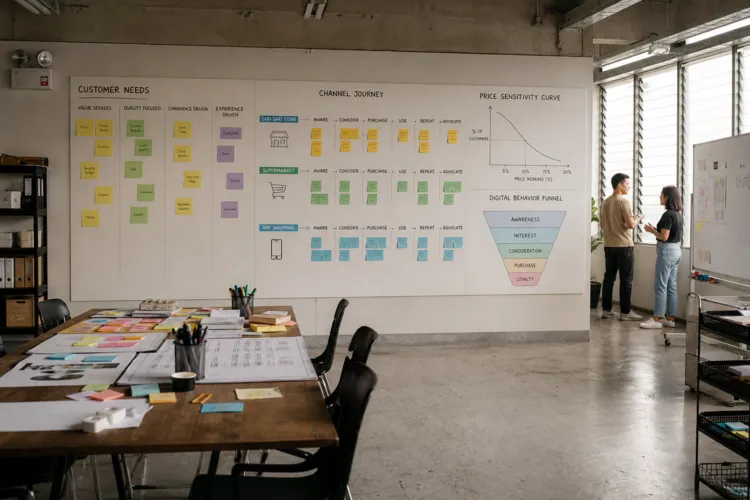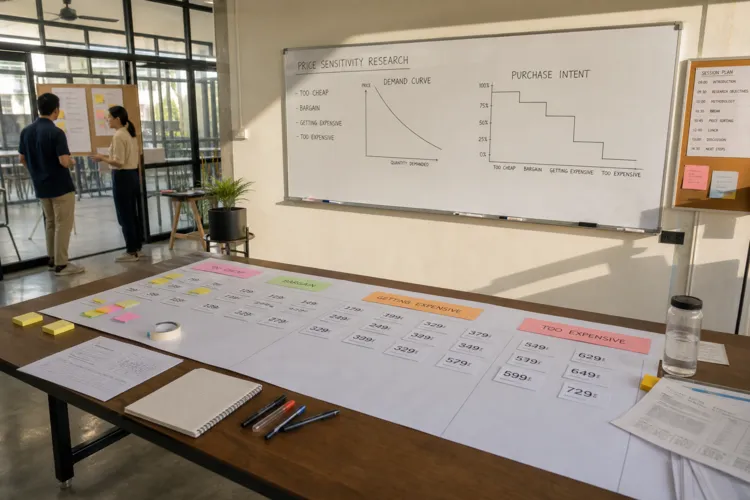
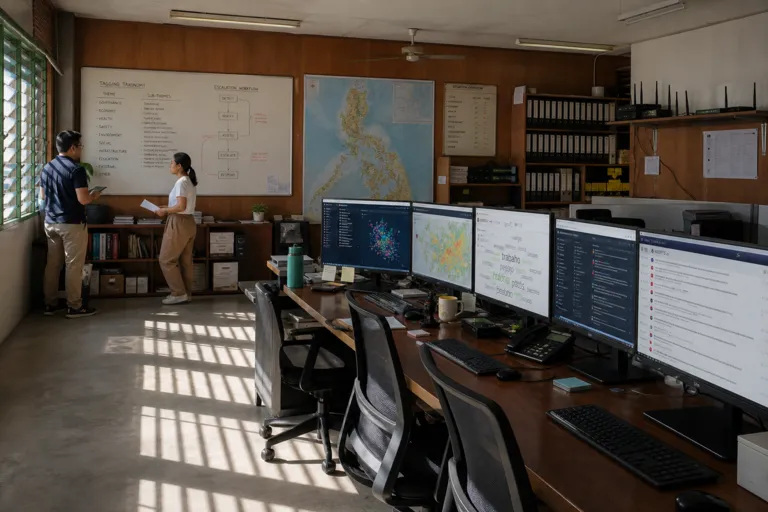
Traditional market research still matters in the Philippines because it delivers structured depth, validation, and context. But it can also be slow, and a polished report can be outdated by the time it is shared. Social listening helps teams keep pace by tracking and analyzing what people post across social platforms and other public online spaces, then turning that unstructured content into usable insight. Social listening differs from basic monitoring because it looks beyond mentions to understand the context and the “why” behind what is being said. Used together, the two approaches create a stronger evidence base than either one alone.
Philippine conditions make this pairing even more important. In 2026, the Philippines had a total population of 117 million, a median age of 26.1 years, and adult literacy (15+) at 98.0%. Digital behavior is dense, too: there were 98.0 million internet users, or 83.8% penetration, with annual growth of +0.8% (about 789,000 new users). Access is overwhelmingly mobile, with 97.8% using smartphones. A crisis playbook cited in one source also notes the country ranks among the top countries globally for daily social media usage, averaging over three hours per day (DataReportal’s 2025 Digital Report, as cited). For research teams, that means conversations happen continuously, at speed, and often in fast-moving comment threads.
How to Combine Listening Data With Surveys, Interviews, and Panels
For practical social listening research in the Philippines, start by using listening to spot topics, phrases, and sentiment shifts, then use traditional methods to validate and quantify. One source frames it simply: traditional research brings validation, context, and structured depth, while listening brings velocity, granularity, and recency. Listening is also useful when topics are sensitive, such as health, finance, parenting, relationships, or alcohol, because people may avoid disclosing full opinions in surveys. Social listening tools can analyze emotional sentiment, categorize keywords, and index themes, which helps you refine survey language, build better screeners, and design interview guides that reflect real-world wording.
Workflow design matters. Social listening platforms can aggregate data from many places, including Facebook, Instagram, X, TikTok, YouTube, Reddit, LinkedIn, Pinterest, Snapchat, blogs, discussion forums, consumer review sites, and even podcasts. For depth and scale, one Philippine-focused guide recommends a listening layer that can handle complex queries and alert teams to sentiment shifts; it cites Brandwatch for boolean queries, segmentation, real-time sentiment monitoring, crisis detection, competitor benchmarking, and campaign impact tracking. It also describes an operations layer for daily routing, citing Sprout Social for centralized scheduling, engagement workflows, performance reporting, and message assignment for customer care. Another reference argues for unifying listening outputs with ticketing and response to reduce gaps, and cites Konnect Insights as a Salesforce AppExchange-listed CXM platform starting at USD 29 per user per month.
Language coverage is non-negotiable. One source states the Philippines has over 180 languages and dialects, and it highlights that Cebuano and Tagalog conversations can carry different sentiment patterns, cultural references, and contexts. It also warns that Taglish can hide sarcasm and frustration from tools that only understand English. This is where social listening complements traditional research: listening can surface regional sentiment divergence early, while interviews and community discussions can explain the cultural drivers behind it. On the business side, the market signal is strong. One forecast projects the Philippines social media listening market will grow from USD 7.9 billion in 2025 to USD 22.8 billion by 2032, a 16.4% CAGR, as organizations use listening for customer behavior insights, reputation management, trend detection, and product and service improvements.
How does social listening complement traditional research in the Philippines?
What makes Philippine social listening work harder than in English-only markets?
What online sources can social listening platforms pull from for research?
What is the projected size of the Philippines social media listening market by 2032?
How should teams approach social listening research in the Philippines without replacing surveys?