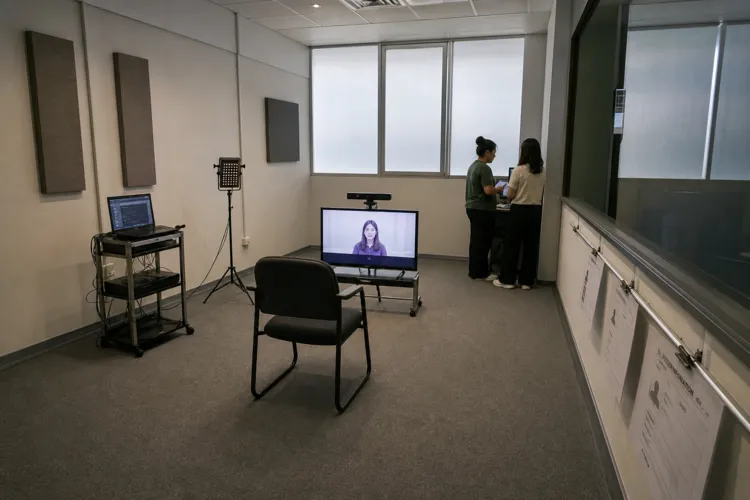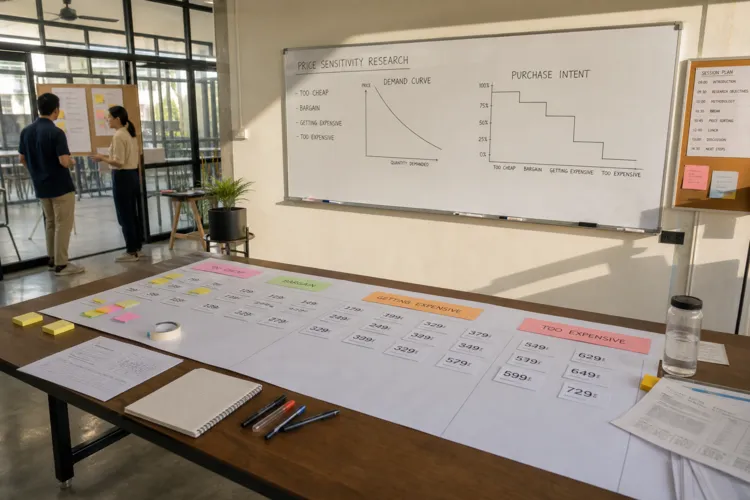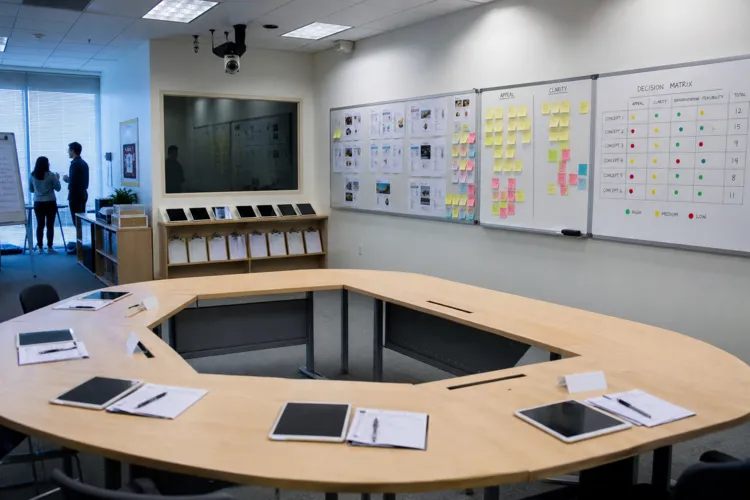
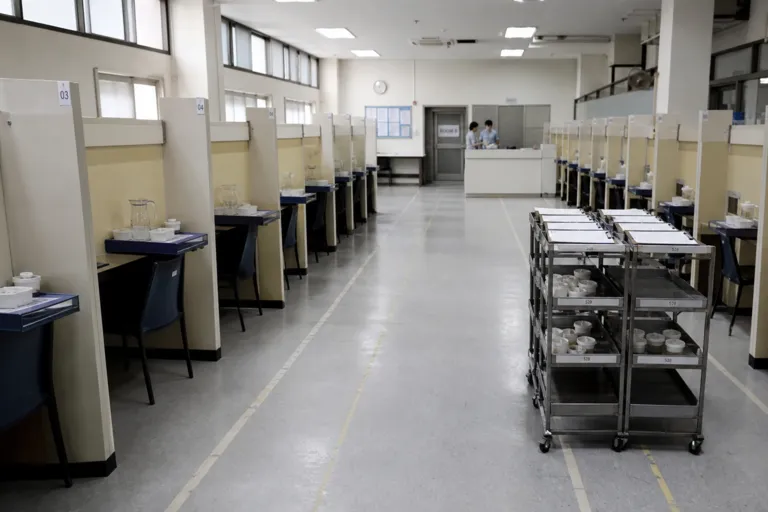
Central location testing is a practical method for sensory and product research when you need clean comparisons and consistent execution. In a central location test in Thailand, consumers evaluate products in a controlled facility, which enables direct comparison between multiple variants or competitor products under standardised conditions. This approach is positioned as standard methodology for FMCG, food and beverage, and automotive work in Thailand. Because the environment is controlled, a CLT can support sensory controls such as lighting, temperature, and serving conditions that in-home or online methods cannot replicate. That structure helps teams focus on product differences rather than differences in context.
In Thailand, method choice is not only about the research question. Execution realities matter, including cultural dynamics and regional variance. One cited challenge in product testing is acquiescence bias, described as the tendency of Thai respondents to rate products higher than their actual preference. For CLTs, this means the study design should use blind test protocols and carefully structured rating instruments so the data reflects preference rather than politeness. Quantitative research in Thailand is also described as being shaped by urban–rural differences, indirect communication styles, and digital adoption gaps. These factors influence how people answer surveys and how you should design your sample and interview flow.
Where CLTs Run and How National Coverage Is Built
Central location tests in Thailand are typically conducted in Bangkok, with provincial supplementation for studies requiring national representation. That practical setup is tied to a broader point: regional variance between Bangkok and provincial consumers is described as structural and must be accounted for in sample design. When a project needs wider reach, recruitment and fieldwork can extend beyond a single city through provincial coverage. The goal is to maintain the controlled CLT environment while ensuring the respondent mix matches the business decision. For teams planning a central location test Thailand project, the location plan is therefore not just logistics; it is a core part of the study’s validity.
CLTs also sit alongside other quantitative and product evaluation options used in Thailand. Quantitative services in the market include online surveys, telephone surveys, computer assisted telephone interviewing (CATI), and specialised techniques such as CLTs. Offline surveys are positioned as a way to eliminate panel bias, respondent fatigue, and satisficing behavior that can be common in online research. Face-to-face and telephone approaches are also described as reaching representative samples, including demographics underrepresented online, supported by verified respondents, trained interviewers, and rigorous quality control. At the same time, online panel approaches exist as well, including mobile panels positioned as enabling interviews from everywhere in Thailand for sampling and extrapolation.
In practice, CLTs are often used as part of a larger product lifecycle learning system rather than a one-off scorecard. Product testing is described as connecting to broader customer satisfaction programmes, including tracking how product performance scores shift across consumer segments and purchase occasions as a product matures in market. In automotive work, a pickup truck market entry study is cited as using a gang survey approach, where respondents assemble at a central location to assess a new model’s design, features, and specifications before launch, with exterior design feedback informing adjustments prior to market entry. This illustrates how controlled, in-person evaluation can feed directly into product decisions when teams need more than self-reported claims.
What is a central location test in Thailand used for?
Where are central location tests typically conducted in Thailand?
What biases should sensory teams plan for in Thai product testing?
How do CLTs compare with online or offline survey methods in Thailand?