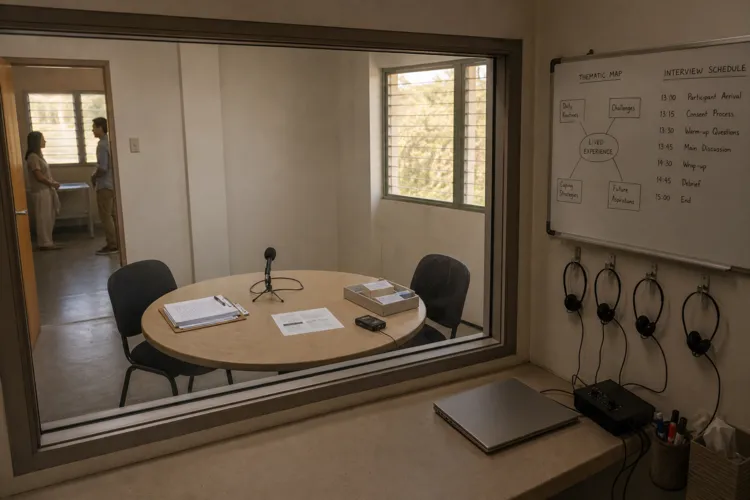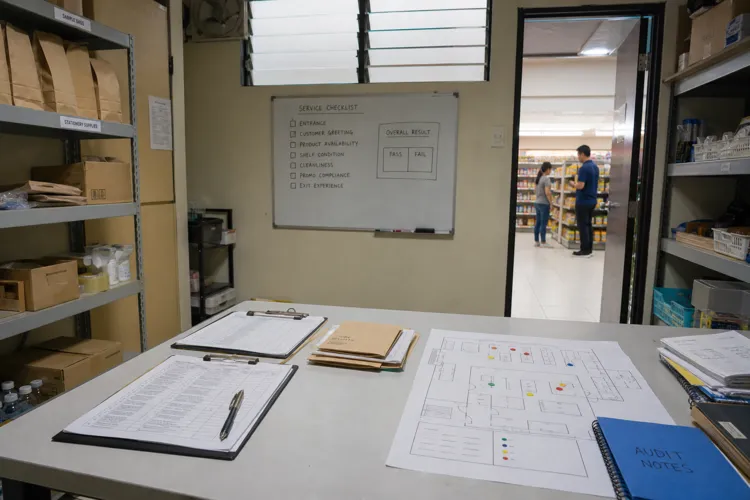

Staying compliant while collecting survey responses, interview recordings, and participant details requires practical controls that match how research really happens. Malaysia’s Personal Data Protection Act (PDPA) 2010 sets expectations for how you collect, use, store, and disclose personal data in commercial transactions, and it is enforced by the Department of Personal Data Protection (JPDP), which can investigate complaints, conduct audits, and impose penalties including fines up to RM500,000 and imprisonment up to three years. For teams managing market research compliance in Malaysia under PDPA, the biggest risks usually appear at the point of collection: the form, the landing page, or the script that asks for personal data before you have documented consent and a clear purpose.
Build your collection process around consent and evidence. For direct marketing, consent should be written or recorded; verbal consent is described as insufficient, and consent must be documented. Consent should specify the types of communications (such as email, SMS, phone, or postal), should not be bundled into other agreements, and should be freely given, with an easy withdrawal mechanism. Common failures include pre-ticked consent boxes, missing purpose statements, and not offering notices in both English and Bahasa Malaysia. In practice, research teams can apply the same discipline: make the privacy notice easy to find and readable, tell people what you collect and why, avoid pre-ticked boxes, and make withdrawal simple so you can explain what you told people and why you collected the data.
How the 2024 PDPA Amendments Change Research Operations
The 2024 amendments are described as the most significant update since the PDPA’s inception and they reshape responsibilities across research supply chains. The amendment changes terminology from “Data Users” to “Data Controllers” and introduces defined obligations for “Data Processors,” which matters when agencies use cloud survey tools, transcription services, or analytics platforms. Penalties are described as substantially increased, with maximum fines now reaching RM1 million and imprisonment terms of up to three years, a five-fold increase from previous penalty structures. The implementation is staged: Phase 1 starts 1 January 2025 with administrative and procedural changes, and Phase 2 starts 1 April 2025 with more substantial obligations, including processors being made directly accountable to adopt technical and organisational measures to protect personal data.
Vendor control is where many research programmes fail quietly. If you use external platforms such as cloud CRMs, AI analytics engines, or marketing automation suites that process personal data of Malaysian customers or employees, those processors are expected to assist in your DPIA process, and outsourcing processing does not outsource the controller’s compliance obligation. InCorp Malaysia also highlights a quantitative threshold of 20,000 data subjects as a trigger point that compliance teams can reach faster than expected, with examples suggesting a mid-sized technology company can cross it within the first 12 to 18 months when deploying a regional CRM or platform that gains traction in Malaysia. During readiness assessments, businesses may discover vendor contracts contain no DPIA cooperation clauses, so research procurement should require written agreements with data protection clauses and clear cooperation terms.
Operational hygiene keeps research defensible when regulators, clients, or participants ask questions. Start with a data audit to understand where personal data enters, how it is processed, who can access it, and whether proper consent has been obtained. Maintain a current inventory of personal data collected, stored, processed, and shared with third parties, and keep a mechanism for data subject access and correction requests. Treat everyday workflow habits as compliance risks: limit access, control data flows, and keep evidence you can explain—why you collected data, what you told people, who touched it, and when you removed it. Finally, remember the PDPA applies broadly to organisations processing personal data of Malaysian data subjects in commercial transactions, including foreign companies with operations in Malaysia, so cross-border studies still need local-ready notices, consent, and governance.
What is the biggest PDPA risk point in market research data collection in Malaysia?
How do the 2024 PDPA amendments affect research agencies and their vendors?
What penalties should researchers consider when planning PDPA compliance controls?
When might a DPIA become relevant for a Malaysia research programme using external platforms?
How should teams approach market research compliance under Malaysia’s PDPA without overcomplicating it?