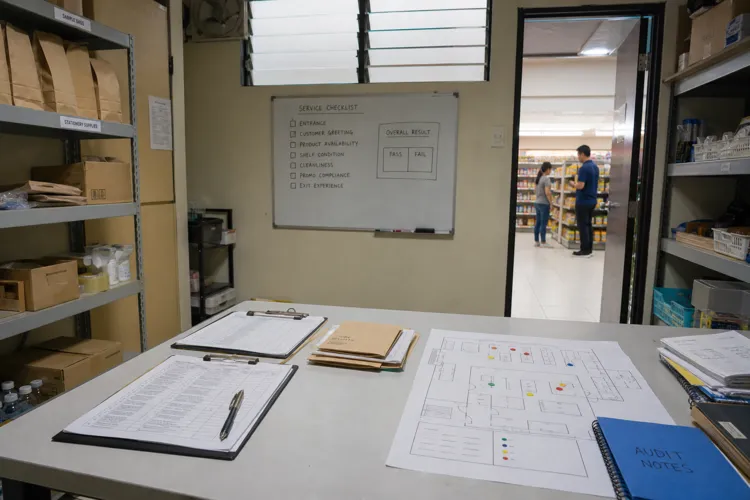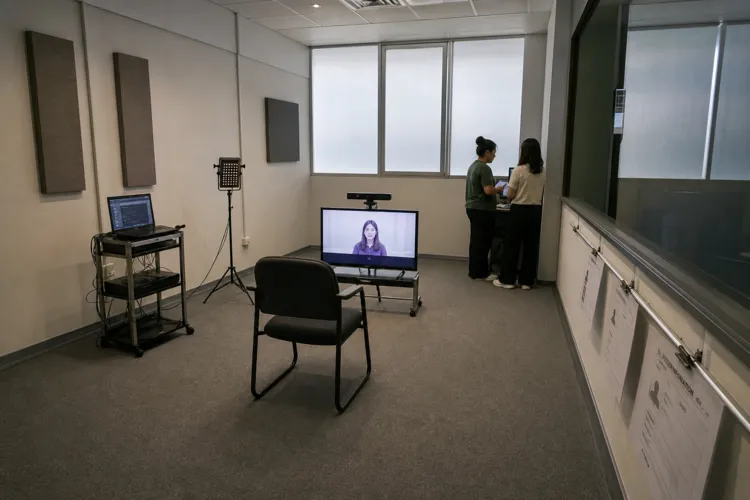

Customer experience work rises or falls on data quality. In Thailand, research teams need to treat the choice of method as a strategic decision, because a technique that works in Bangkok can produce unreliable results in provincial markets. The same instrument that performs well with middle-income respondents can fail systematically with lower-income segments. That is why CX research in Thailand starts with clarity: what you need to learn, which audiences you must represent, and which collection mode can actually reach them. Secondary datasets can frame the market. Primary research then fills the gaps that secondary sources cannot reach.
Start by mapping what you can responsibly learn from secondary sources. Thailand’s authoritative datasets are distributed across multiple institutions and are often published in Thai, which creates friction for international teams without local language capability. Useful sources include the Bank of Thailand for monetary data and household debt indicators, NESDC for GDP by sector and household income surveys, and the Department of Business Development for company registrations by sector and province. Brands also use Kasikorn Research Center and SCB Economic Intelligence Center for sector and consumer-trend coverage, Thailand BOI for FDI and investment approvals, and ETDA for digital behaviour and e-commerce statistics. However, coverage across these sources skews toward Bangkok, so treat them as a starting point rather than a full picture of lived experience.
Picking the Right Primary Method for Thai CX Signals
When you need measurement, surveys are the most widely used quantitative method. In Thailand, survey mode affects who you hear: online panels skew urban and educated, while face-to-face surveys can reach provincial populations that online methods miss entirely. Customer satisfaction surveys can track service quality and experience at defined touchpoints such as post-purchase, post-service interaction, or on a recurring cadence in loyalty or subscription relationships. These programs often use CSAT, NPS, and CES as common satisfaction metrics. But Thai cultural response patterns matter. Because negative experiences can be underreported due to kreng jai, indirect questioning and anonymous response options can produce more reliable data than direct verbal feedback.
When you need depth, qualitative methods should reflect Thailand’s communication culture. In-depth interviews are positioned as the most effective qualitative technique for individual-level insight because the one-to-one format reduces the kreng jai pressure that group settings can amplify. They can produce more candid insight on sensitive topics, high-involvement decisions, and professional opinion, and are described as particularly effective with healthcare professionals, B2B buyers, and high-income consumers. Focus group discussions remain useful when you want to observe how social consensus forms and how ideas land in a group context. At the same time, social hierarchy can shape who speaks and who is suppressed, so use skilled moderation and recruitment design to avoid mistaking group dynamics for true preference.
Finally, align method to decision type, not just budget. Commercial research in Thailand is often exploratory or descriptive, which is appropriate when you are mapping unfamiliar terrain or documenting what is happening across a defined population. If you are trying to prove that one variable drives another, you need causal approaches such as controlled experiments, and you should avoid over-reading correlations. Many teams combine secondary context with primary fieldwork, then translate raw inputs into findings through statistical processing for quantitative work and thematic coding for qualitative work. If you need speed, platforms such as Standard Insights describe projects that can gather data in as fast as 1 day and cite a Consumer Report Thailand 2024 survey with responses from over 700 Thai, but brands should still validate representativeness for their own target segments.
Why can the same research method work in Bangkok but fail in provincial Thailand?
Which secondary data sources are commonly used for Thailand market and CX context?
How should brands adapt customer satisfaction surveys to Thai response patterns?
What makes in-depth interviews effective for CX insight in Thailand?
What is a practical way to design CX research in Thailand without over-trusting a single method?