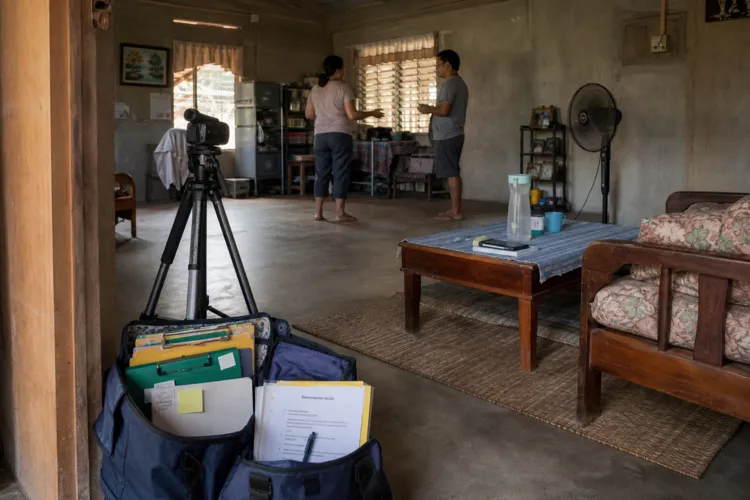

Running focus groups well in Vietnam starts before you recruit anyone. Your broader market research should be built to support business strategy decisions. That means grounding questions in local market trends, consumer preferences, and economic conditions, and using reliable local resources for context, such as the Vietnam Chamber of Commerce and Industry and the Vietnam Government Portal. Practical planning also benefits from pairing focus groups with other methods, including surveys, interviews, and industry report review, so you can test early signals against a wider view of demand, competition, and adoption. This is especially helpful when you need to validate product launch readiness, including realistic pricing, competitive pressure, customer adoption, and regulatory feasibility.
Recruiting is where focus group quality is often won or lost. In Vietnam, it is valuable to include diverse demographics so you can hear how different participants perceive products or services. Cultural sensitivity and language appropriateness should be built into the discussion, not treated as an afterthought. Vietnam research can also benefit from recognizing regional differences in consumer behavior, including contrasts between urban and rural preferences, and reflecting those differences in who you invite. When your objective is launch readiness, ensure the group fits the reachable customer base rather than relying on broad headline figures about total market size or population that may not translate into actionable demand.
Moderation and Format: In-Person vs. Virtual Sessions
Strong moderation keeps the discussion focused while still allowing participants to react to each other. A focus group brings together carefully selected individuals to discuss and give feedback on a product or topic, and the group dynamic can help surface meanings, beliefs, and cultural cues that influence feelings, attitudes, and behaviors. Virtual groups can also work well in Vietnam when geography matters or when you want faster logistics. Best-practice guidance for virtual sessions notes that most run 60 to 90 minutes. Shorter sessions can suit narrow topics, while more complex conversations often need the full 90 minutes. Virtual formats can also reduce certain costs because there is no facility rental or travel, though recruiting, incentives, moderation, and reporting still shape the overall budget.
After the session, analysis should be planned like a workflow, not a cleanup step. Qualitative research can leave you with hours of recorded discussion, and recordings are difficult to use if they remain only in audio or video form. Converting them into a written transcript makes the content searchable and easier to compare across groups. Transcript accuracy matters because final reporting relies on precise quotes, and small errors can change meaning. If you use transcription support, options vary by speed and accuracy. One provider describes an AI transcription option that returns a 90%+ accurate file in minutes, while human transcription can deliver 99% accuracy in less than 12 hours and is positioned for situations where accuracy is the top priority.
To ensure your insights are usable, connect what you hear back to the business decisions you need to make. Vietnam-focused market research guidance emphasizes competitor and pricing analysis, because it determines whether a product can realistically compete at launch and because foreign companies can underestimate local competition, including domestic brands and informal players. In your reporting, synthesize themes around positioning, pricing, distribution realities, and early consumer interest, and then cross-check them with other evidence such as distributor and retailer feedback, pilot testing, and competitor activity. When done this way, focus group research Vietnam teams run can move beyond opinions and become a practical input to economic feasibility, business culture fit, and regulatory readiness.
How long should a virtual focus group session run for Vietnam studies?
Why is cultural sensitivity important when recruiting focus group participants in Vietnam?
What is the role of transcripts in focus group analysis?
How does focus group research in Vietnam support product launch readiness?