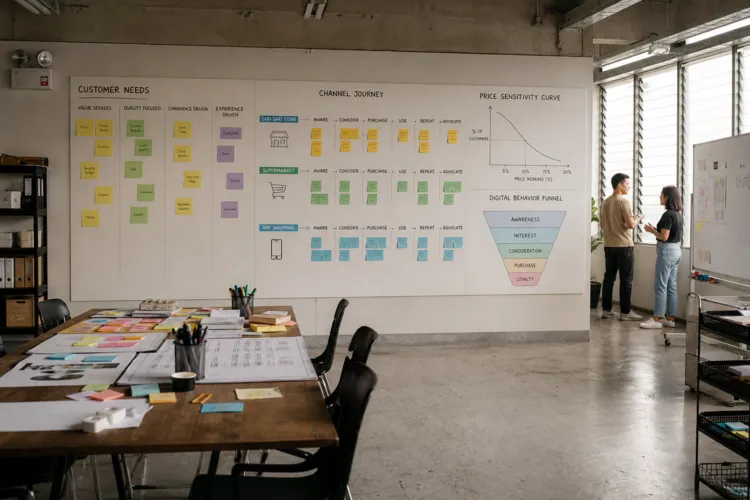
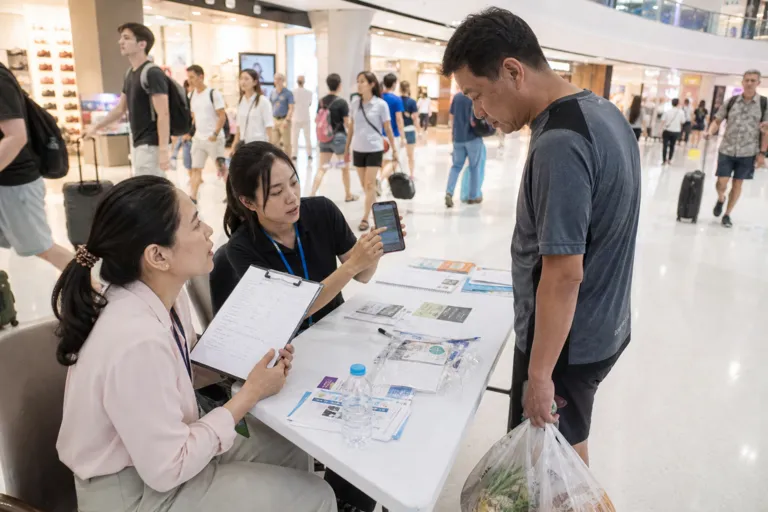
Consumer segmentation works when it divides a broad market into smaller groups with shared traits like demographics, behavior, or geography, so brands can tailor products, marketing, and customer experiences. In Thailand, that tailoring matters because the market spans Bangkok’s urban sophistication and regional cultural nuances, where digital behavior and traditional values can shape purchase decisions differently. One practical starting point for market segmentation Thailand is to avoid three common entry mistakes highlighted by a Thailand-focused guide: assuming Bangkok represents the whole country, importing Western demographic models that miss how Thai consumers decide, and ignoring platform-specific behavioral differences that shape where segments engage.
Build your segmentation map with digital reality, but do not let top-line numbers hide variance. Thailand has approximately 65.4 million internet users and 51 million social media identities, yet those totals “mask structural and cultural variation” that makes segmenting complex. That is why a segmentation plan should define “who” (needs and motivations) alongside “where” (platform and place). Use market research to uncover cultural underpinnings rooted in societal values, then connect them to channel behavior, because Thailand’s digital landscape is evolving and changing how consumers interact with brands and make purchasing decisions.
Geographic Segments That Reflect How Thailand Actually Buys
In Thailand, geographic segmentation is not just a list of provinces. It is a way to separate structurally different consumer environments. Bangkok and the Greater Bangkok metropolitan area account for roughly 35% of total retail activity and function as a primary market for modern trade, premium products, and e-commerce. Central Thailand outside Bangkok includes mid-size cities such as Ayutthaya, Nakhon Ratchasima, and Chonburi, where distribution infrastructure is generally strong but the zone is economically diverse. The North and Northeast (Isan) differ again, with Isan described as price-sensitive and loyal to domestic brands and informal trade, while Chiang Mai operates more like a secondary urban market.
Tourist zones deserve explicit segmentation because seasonality, spend patterns, and channel logic differ from resident demand. The South adds distinct dynamics, including a significant Muslim consumer segment and the country’s largest tourist economy, where Phuket, Samui, and Krabi serve populations that are partly expatriate and partly transient domestic tourists. Treat this as a strategic decision: serve tourists, residents, or both, and set separate offers, media plans, and measurement. Pair geographic segments with localized communication, because English proficiency varies across demographics, and Thai-language marketing plus culturally sensitive storytelling can improve resonance.
Finally, connect segmentation to category and channel strategy, because Thai retail growth and shopping formats influence how you activate segments. One retail forecast values Thailand’s retail market at USD 88.53 billion in 2023, projecting USD 143.50 billion by 2031, with a 6.2% CAGR from 2024 to 2031. Another source cites a projected CAGR of approximately 6.9% for the “Retail Business in Thailand Market.” For food, segmentation examples include distribution channels (supermarkets, convenience stores, online retail, specialty stores) and consumer age groups (0–18, 19–35, 36–55, 60 and above). To convert segments into action, align product adaptation (features, packaging, design) and tiered pricing to Thailand’s diverse income segments, then test through lower-risk routes like licensing and franchising, which operate under existing Thai laws covering IP and unfair contract terms.
What is consumer segmentation in the Thai market?
Why shouldn’t brands assume Bangkok represents all of Thailand?
How do tourist zones fit into Thai consumer segmentation?
Which channels matter when segmenting Thailand’s food shoppers?
What’s a practical first step for market segmentation in Thailand?