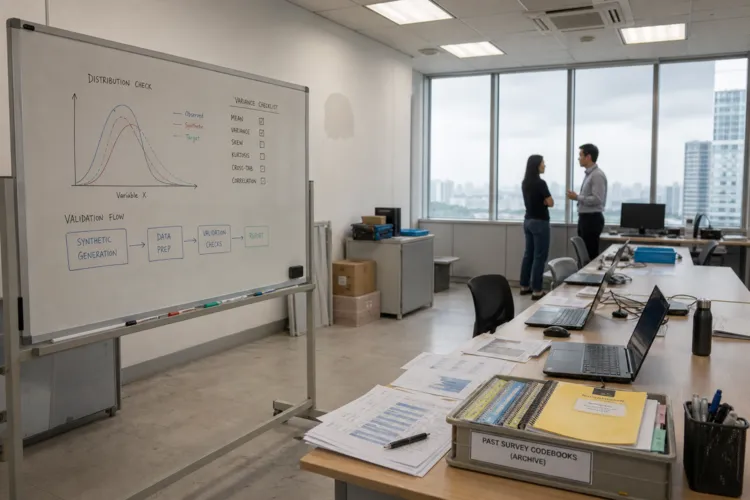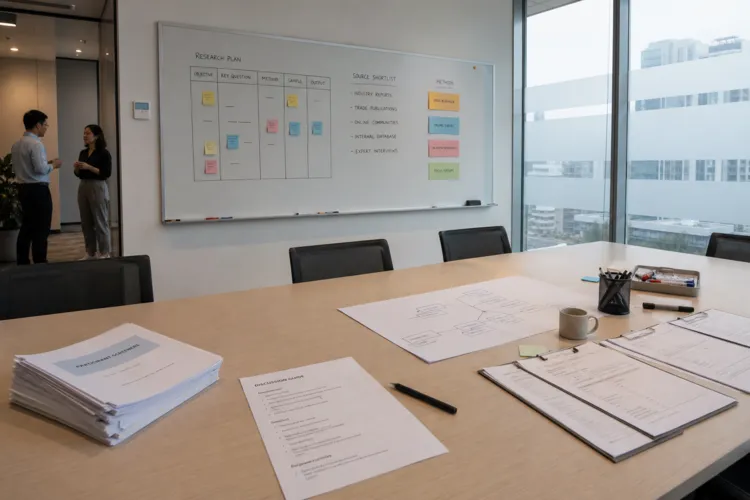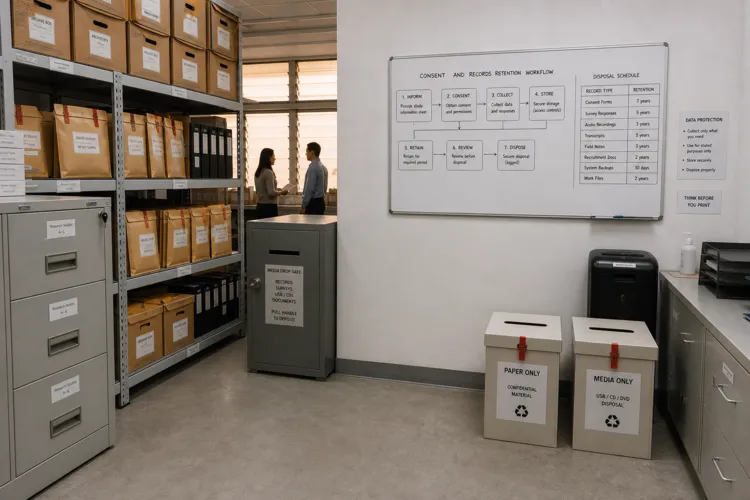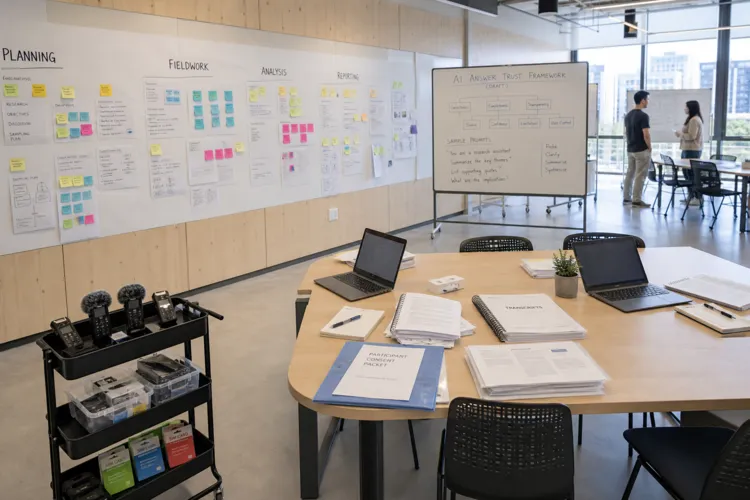
Across Southeast Asia, brands often feel the pressure of tight timelines, fast-moving competitors, and rapidly changing consumer behaviors. Agile research is built for that environment. It replaces assumption-led decision-making with in-the-moment feedback loops that can be applied throughout a project, not just at the end. Instead of waiting weeks (or months) for a single “one-and-done” study, agile methods use shorter cycles and iterative learning. The result is faster validation of ideas and more confident pivots when messages miss or products underperform. This is the core promise behind agile market research in Southeast Asia: speed with relevance, so insights arrive while teams can still act on them.
At its foundation, agile research applies the principles of agile development—iteration, real-time feedback, and continuous learning—to consumer insight work. It prioritizes flexibility and authentic engagement, often through conversational surveys, mobile-first insight communities, and video feedback. Because these methods meet participants where they already are—such as SMS and mobile chat—teams can capture contextual reactions while experiences are still fresh. The goal is not only to compress timelines, but also to improve depth and usefulness by uncovering the “why” behind the data. As AI tools, including agents, become more embedded in workflows, agile programs can get closer to consumers and support customer-centric decisions across marketing, UX, brand, and innovation teams.
What “Faster” Looks Like in Real Agile Workflows
Speed becomes tangible when agile tools are designed for rapid access to the right people and quick, conclusive analysis. C+R Research describes several approaches, including panels (using pre-recruited sample sources for immediate access to profiled participants), communities (more “high touch” engagement with ongoing interaction), and “CommuniPanels” that blend community depth with larger-panel scale for quantitative and market-specific needs. For quick-turn quantitative work, C+R’s omnibus surveys can include up to 10 questions with a Gen Pop sample, with flexible sample sizes ranging from 500 to 2,000 interviews, and data delivered within days. Its SnapIQ offering positions custom results in as little as 3–4 business days for straightforward projects, aiming to maintain quality and depth while accelerating timelines.
Agile research also changes how teams collaborate. SurveyMonkey notes that marketing, sales, and product teams can work together in sessions to analyze insights and refine the product, leveraging real-time feedback for timely decision-making. This supports continuous improvement, helping teams consistently test and refine product prototypes, ad concepts, and other ideas to align with consumer expectations. The practical advantage is risk reduction: test early, learn quickly, and iterate before major production or launch commitments. In a digital environment where consumer interactions generate constant signals, SIS International highlights the need to respond faster, pointing to data sources such as social media analytics as one way to gain insight into clients who use these platforms.
Choosing the right partner and operating model matters as much as picking the method. Dig Insights frames agile market research as an iterative approach that emphasizes speed, flexibility, and continuous learning, enabled by tech-driven workflows and real-time feedback. It advises looking for integration of agile workflows, a clear focus on continuous learning, and the use of AI and advanced technology to automate analysis and spot trends faster. Dig Insights itself is headquartered in Toronto, Canada, with offices in the US and the UK, and lists 200+ employees and clients including McDonald’s, Coca-Cola, Johnson & Johnson, AB InBev, Meta, and CVS. For Southeast Asia teams, the takeaway is straightforward: build a repeatable research cadence—short cycles, rapid access to participants, and cross-functional interpretation—so insights keep pace with the market.
What is agile research in market research terms?
How can agile market research support teams working across Southeast Asia?
What are examples of agile research methods?
What turnaround times are described for quick-turn quantitative agile work?
What should teams look for when choosing an agile market research company?