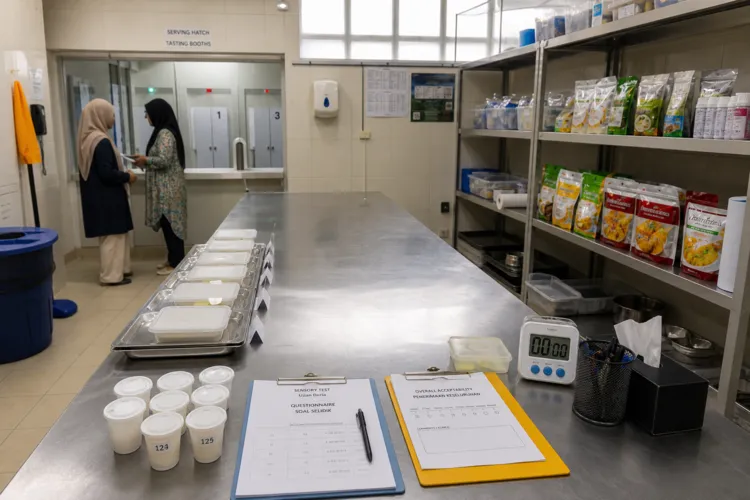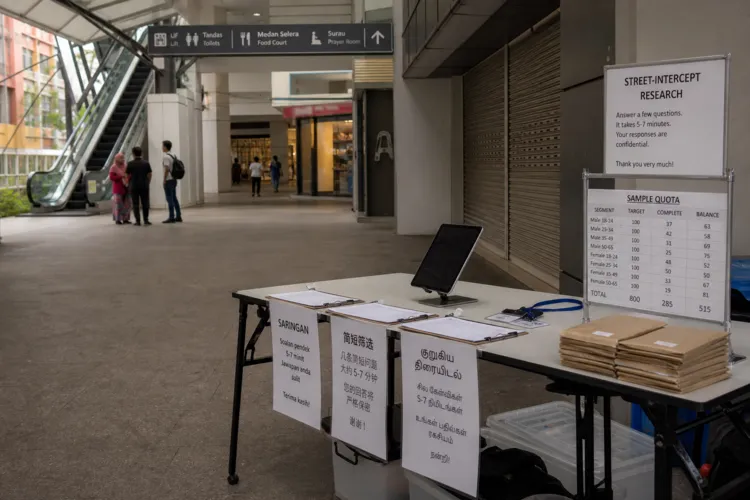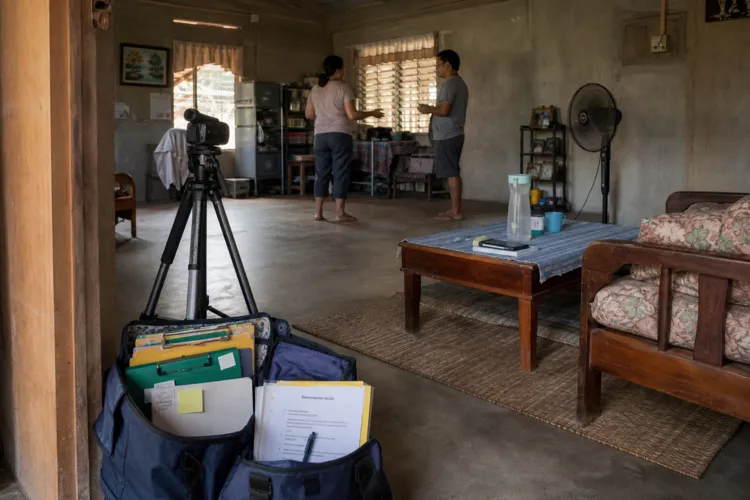
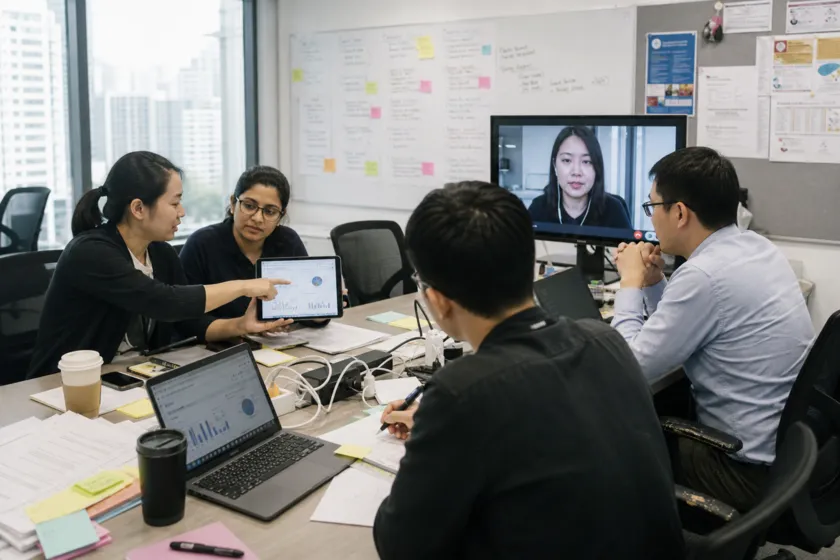
A Voice of the Customer (VoC) program is a research method to collect and analyze customer feedback so you can understand needs, expectations, and sentiment, then close the gap between what customers expect and what they experience. In practice, VoC is often a formal market research process: ask questions, collect feedback, tabulate results, and take action based on customer data. For a voice of customer program Singapore teams can run at scale, the design principle is simple: cover multiple touchpoints in the journey, not just one interaction, so insights reflect the whole experience. This creates a consistent feedback loop that can inform customer success, operations, support, and product work, instead of leaving feedback trapped in a single channel.
Start with a clearly defined question as your program goal. For example, you might investigate why retention changed in the last quarter, or how customers feel about recent enhancements. Next, choose a tool to collect VoC data, such as dedicated feedback software or a survey provider, and assign a team to analyze feedback and identify patterns. The market research discipline matters: online surveys are structured questionnaires that can gather specific feedback from a large number of customers using closed-ended questions with predefined response options, which makes quantification and comparison easier. Before full fieldwork, do a soft launch to test the survey: one source recommends sending invitations to 1% of your customer sample or at most 100 contacts so you can catch issues before you expand.
Designing the Program for Singapore’s Service Context
Singapore’s operating environment supports VoC maturity because digital transformation is actively encouraged through grants, incentives, and initiatives, with the Smart Nation initiative cited as one example aiming to improve digital capabilities, including customer experience through AI, automation, and data analytics. This matters for services because feedback volume rises with digital usage, and teams need analytics-ready structures. Market signals also point to high service intensity: Polaris Market Research forecasts the Singapore customer experience business process outsourcing (CX BPO) market will reach USD 6,571.66 million by 2034, with a CAGR of 13.1% in its forecast. In its 2024 highlights, the same source notes the voice segment dominated the market share, and outbound services dominated revenue share, referencing use cases such as telemarketing, customer surveys, and sales calls.
Operationally, build governance that turns listening into action. Define who owns the “ask,” who owns analysis, and how decisions get made after patterns are identified. Build an insights backbone using credible baselines: one Singapore market research guide describes SingStat as an “ultimate source of truth” and points to tools such as a “Data for Businesses” dashboard, with interactive tools to understand industry, customers, and performance benchmarks. This is not a VoC dataset, but it helps frame what “good” could look like by segment and industry context before you interpret customer sentiment. Tie this to a cadence so stakeholders see VoC as a system, not a one-off survey.
Finally, align your program with the reality of Singapore’s technology ecosystem and service delivery stack. Mordor Intelligence describes the Singapore ICT market as worth USD 79.24 billion in 2026 and growing at a CAGR of 13.57% to reach USD 149.68 billion by 2031, and it notes the Productivity Solutions Grant reimburses up to 70% of qualifying tech investments. Whether you centralize VoC in-house or through partners, the key is to keep the loop tight: collect feedback across touchpoints, quantify it through structured instruments like surveys, then prioritize actions that resolve recurring friction. When VoC is treated as a repeatable process, it becomes a practical management system for service quality, not just a reporting exercise.
What is a Voice of the Customer (VoC) program?
How do you structure a voice of customer program in Singapore for service businesses?
How should you test a VoC survey before launching it broadly?
What does the Singapore CX BPO market source say about channels and services?
What local resources can help provide context for customer insights in Singapore?