Neuromarketing is increasingly framed as a way to understand attention, emotion, and memory beyond what traditional methods like focus groups can reliably capture. Harvard’s executive education overview describes the field—also known as consumer neuroscience—as using biology and brain activity to help predict and influence consumer behavior, with practical uses in pricing, packaging, and website or app design. For neuromarketing research in Malaysia, the readiness question is less about hype and more about whether local teams can integrate these methods into familiar workflows. A Malaysia-focused market research overview from SIS International highlights that research in Malaysia commonly blends qualitative and quantitative approaches, and that surveys are widely used, conducted online, by telephone, face-to-face, or through postal mail. That baseline matters because neuromarketing is best treated as a complement to these existing methods, not a replacement.
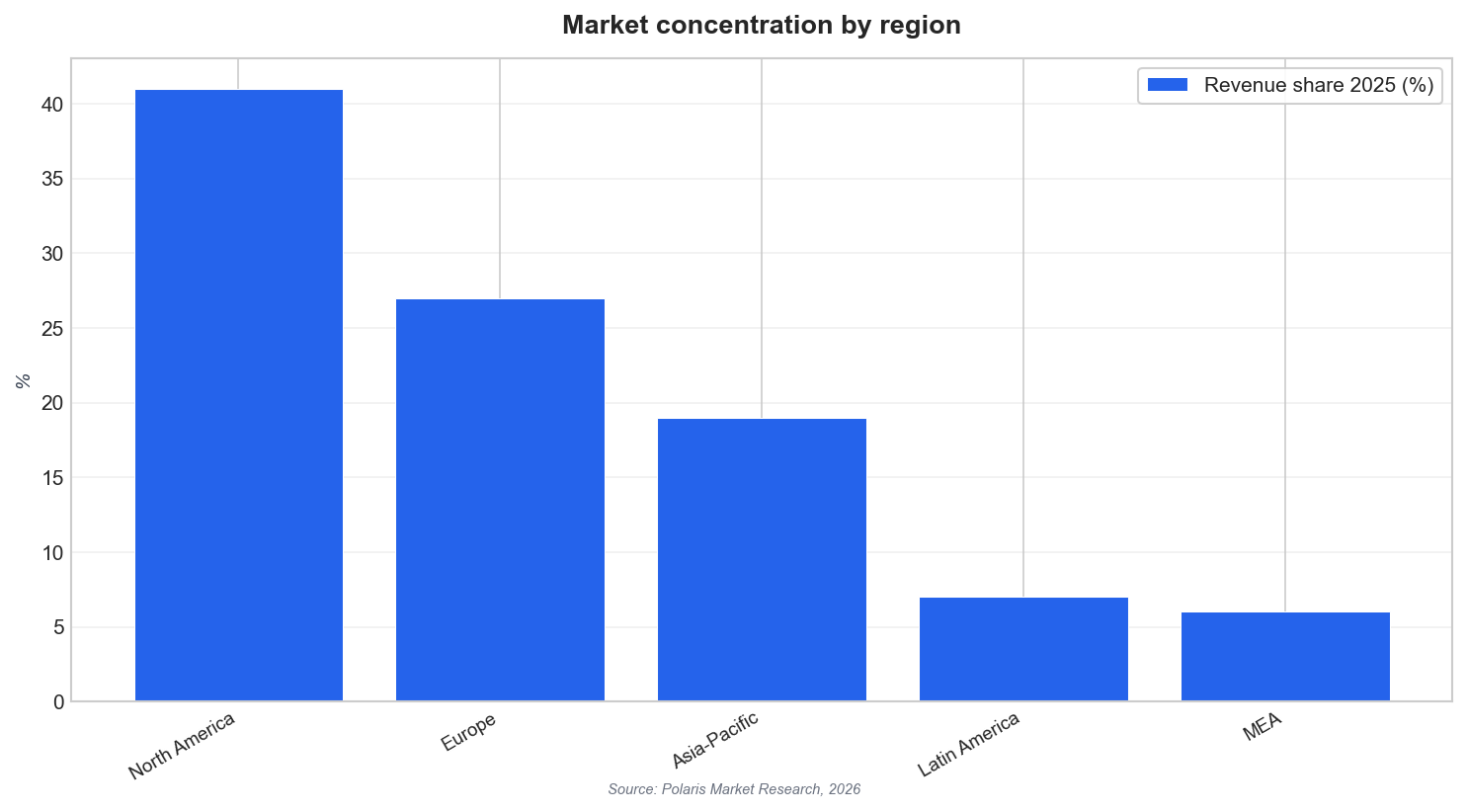
Global market signals suggest neuromarketing is moving from niche to mainstream, but those figures must be treated as context rather than a direct proxy for Malaysia. Polaris Market Research reports the global neuromarketing market size at USD 1.79 billion in 2025 and projects a 6.8% CAGR between 2026 and 2034. In the same source, North America is reported to have over 40% revenue share in 2025, which it attributes to a high density of solution providers and technology vendors—an important reminder that ecosystem maturity is uneven across regions. Another global report anticipates the market at USD 1856.25 million in 2026, reaching USD 3820.39 million by 2035 at an 8.35% CAGR. These numbers do not describe Malaysia specifically, but they do indicate that vendors, tooling, and cross-market programs are likely to keep expanding in Asia-Pacific, which Polaris also expects to register the highest growth rate at 7.83%.
A Practical Readiness Checklist for Malaysian Teams
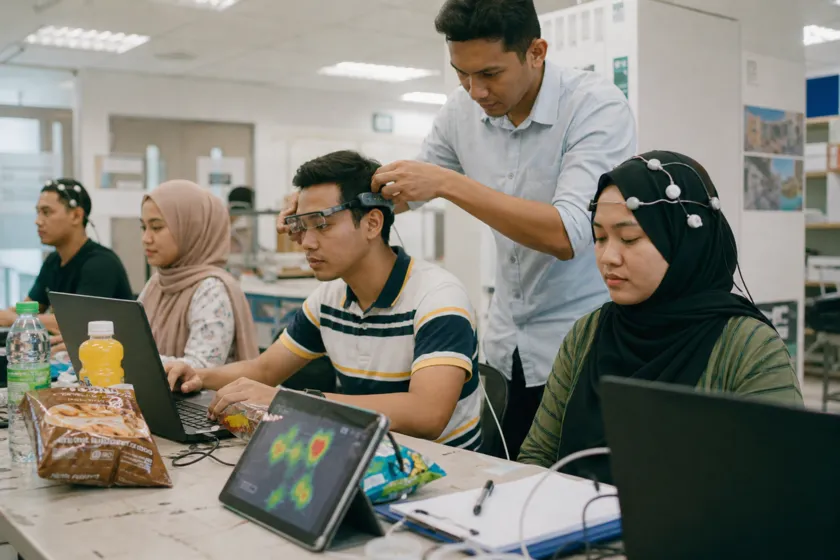
From an execution standpoint, readiness comes down to tools, interpretation, and operational fit. Polaris reports that the implicit association test (IAT) held a 39% revenue share in 2025, while it also highlights opportunities from lightweight EEG headsets and facial coding apps. MarketReportsWorld adds that, globally, eye-tracking and EEG together account for more than 63% of total commercial deployments, and that eye-tracking alone holds a 52% share while EEG is at 21%. In parallel, an industry forecast on neuromarketing solutions emphasizes the practical mix: measurement hardware, services, and software, plus decisions on qualitative interpretation (linking physiological traces to narrative meaning) versus quantitative interpretation (replicable metrics and statistical inference). For Malaysia, this suggests a pragmatic starting point: pilot studies using portable, lower-friction methods like eye-tracking and facial expression analysis for digital ad engagement, then expand only when teams can consistently interpret outcomes and connect them to creative, UX, or packaging decisions.
Readiness also depends on governance and capability, not just technology. Polaris flags data privacy and regulatory compliance requirements as a potential market hindrance. MarketReportsWorld echoes this constraint in global terms, listing 41% data privacy regulation impact among major restraints, alongside 46% high infrastructure cost and 38% limited skilled workforce. Those figures are not Malaysia-specific, but they capture the same risks Malaysian buyers should plan around: consent flows, secure storage of biometric data, and a clear ethical framework for what is collected and why. The upside, if these basics are handled well, is a tighter link between pre-testing and decisions. MarketReportsWorld claims neurometric validation can improve advertising recall accuracy by up to 35% versus conventional survey-based research, and it notes predictive purchase-intent modeling accuracy exceeds up to 87% in controlled testing environments. Taken together, the practical assessment is that Malaysia can be “ready” where teams treat neuromarketing as a disciplined layer on top of established local research practices, and where privacy, skills, and cost controls are addressed before scaling.
Is Malaysia ready to adopt neuromarketing methods in real campaigns?
Which neuromarketing tools look most practical to start with?
What do global market numbers suggest about momentum in Asia-Pacific?
What are the main risks teams should plan for before scaling?
How can neuromarketing support packaging and UX decisions?