
Thailand can look compelling on headline signals, but regional brands still need local evidence before committing budget and timelines. One Thailand-focused guide notes the Bank of Thailand forecasts GDP growth of 2.3% in 2026, alongside 65.4 million internet users and around 43.5 million e-commerce consumers. Bangkok also recorded 30.3 million international arrivals in 2025, which can strengthen demand in tourism-linked categories. Yet the same source warns that broad numbers do not confirm product performance, because demand varies by buyer group and location, and final pricing depends on competition and channel margins. Your agency choice should reflect that reality: it must help you move from macro promise to operational proof.
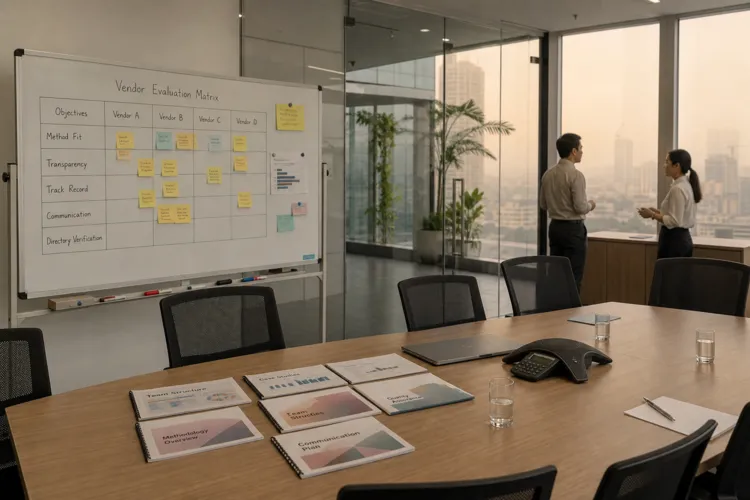
Start by defining the decisions your research must unlock, then select an agency whose services map directly to them. The Thailand market research guide recommends confirming product demand fit, competitors and final price, buyer behavior and trust signals, sales channel fit, distributor and partner readiness, and regulatory and compliance requirements before committing to product registration, inventory, or launch execution. It also highlights early risks: Bangkok, tourist areas, industrial provinces, and regional cities support different products, price levels, and channels; and foreign products are compared with local, regional, and established international competitors. A good partner will translate these risks into a scoped plan with clear deliverables, rather than selling a generic “Thailand study.”
What to Check When Comparing Thailand Research Partners
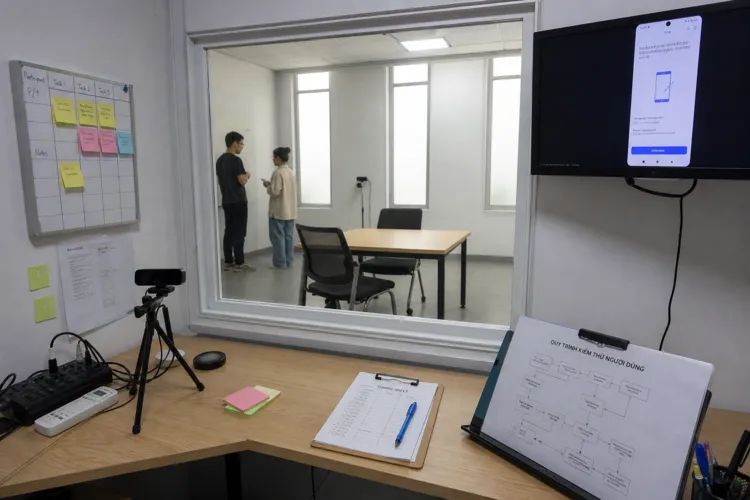
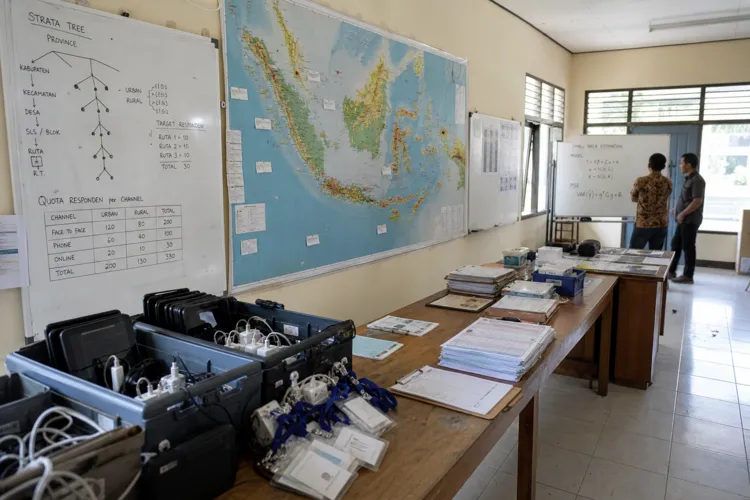
Next, scrutinize methods, fieldwork reach, and respondent quality—because weak execution can distort your strategy. Some providers emphasize nationwide capability and mixed-method toolkits. Iconic Research describes qualitative and quantitative research and fieldwork, including in-depth interviews, focus groups, surveys, and provincial recruitment, plus concept testing, brand positioning and health tracking, and automotive work such as car clinics and market-entry studies. Kadence International notes it is based in Bangkok but conducts research across Thailand and Indo-China countries, offering full-service projects and also acting as a fieldwork partner. Standard Insights positions itself around “reliable” data, with a survey builder to recruit respondents from anywhere in Thailand or use your own, and says projects can start in seconds, gather data in days, and produce reports in clicks. Use these claims to build your checklist: recruitment approach, urban and rural reach, and whether the team can run both discovery (qual) and validation (quant).
Quality assurance and credibility signals matter, but you should interpret them correctly. Kadence cites multiple global awards and recognitions, including wins at the Agency of the Year Awards (2019, 2020, 2021) and an ESOMAR Best Congress Paper win (2023), which can indicate mature processes. For review-led due diligence, directory platforms can help you compile a longlist, but you still need to validate fit. GoodFirms says it features 110,000+ tech companies across the globe and 80,000+ “humanly vetted” client reviews, and adds that its researchers have vouched for the authenticity of 80,000+ client reviews by speaking directly with clients and cross-checking details. Sortlist similarly encourages buyers to review portfolios and client testimonials. Treat directories as a starting point, then request sample outputs, discuss recruitment controls, and confirm who will actually run the work.
Finally, choose the partner that best matches your sector, go-to-market path, and the trust dynamics of your category. The Thailand market research guide highlights that trust, service availability, technical support, relationships, and brand credibility can carry particular weight in B2B, healthcare, industrial, and government-related sales. That means your agency must do more than collect opinions; it must probe purchase drivers, channel realities, and what “proof” buyers need. In practical terms, your selection process should end with a clear scope tied to launch decisions: where to launch first, which entry route to use, how much to invest, and when to expand, adjust, or delay. If you are searching for a market research agency Thailand-based brands can rely on, prioritize those that show they can recruit the right people across regions, run the right methods, and turn findings into specific actions.
What Thailand market signals should brands treat as context, not a launch guarantee?
What should Thailand market research confirm before product entry?
Which methods should a Thailand research partner be able to run?
How do directories and reviews help when selecting a market research agency in Thailand?
Why should trust and service support be part of your agency brief in Thailand?