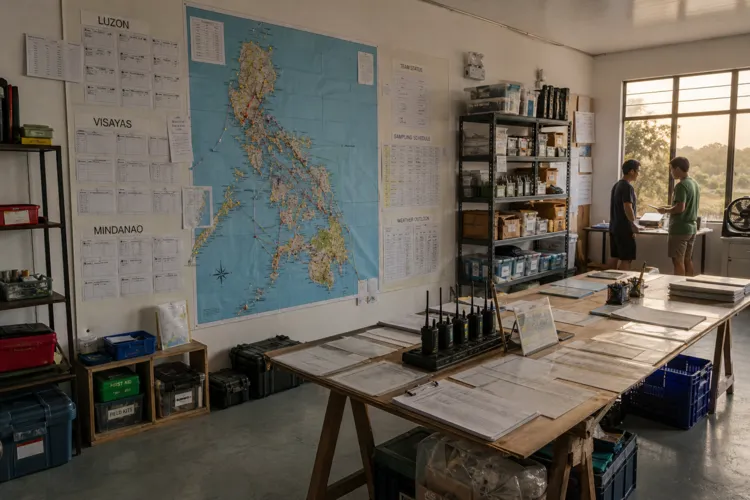

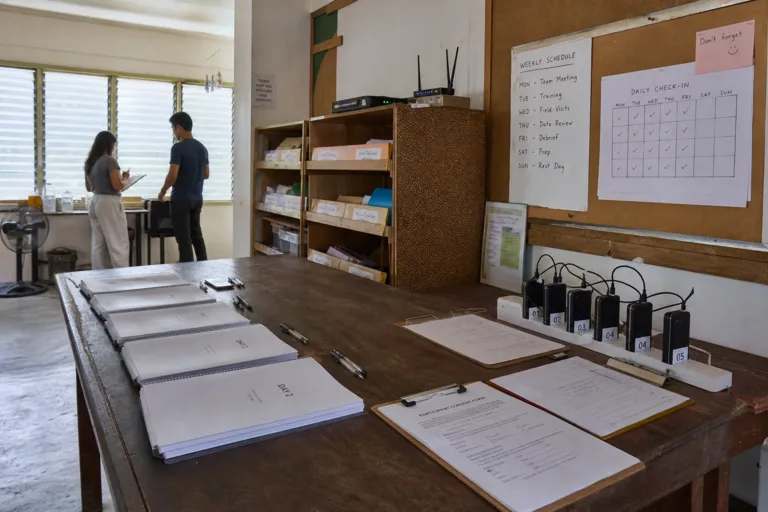
A diary study in the Philippines works best when it is designed around real daily behavior, not assumptions. The country’s digital context supports this approach. Digital 2026 Philippines data summarized by Meltwater reports 98.0 million internet users, equal to 83.8% penetration, with internet users growing by 0.8% year on year (about 789,000 new users). It also reports that 97.8% of users access the internet via smartphones, and Filipinos spend an average of 54 hours per week on connected media (roughly 7.7 hours per day). Those conditions make diary methods valuable because they let researchers observe patterns over time—what people do first on their phones, what triggers a purchase, and which moments repeat across days.
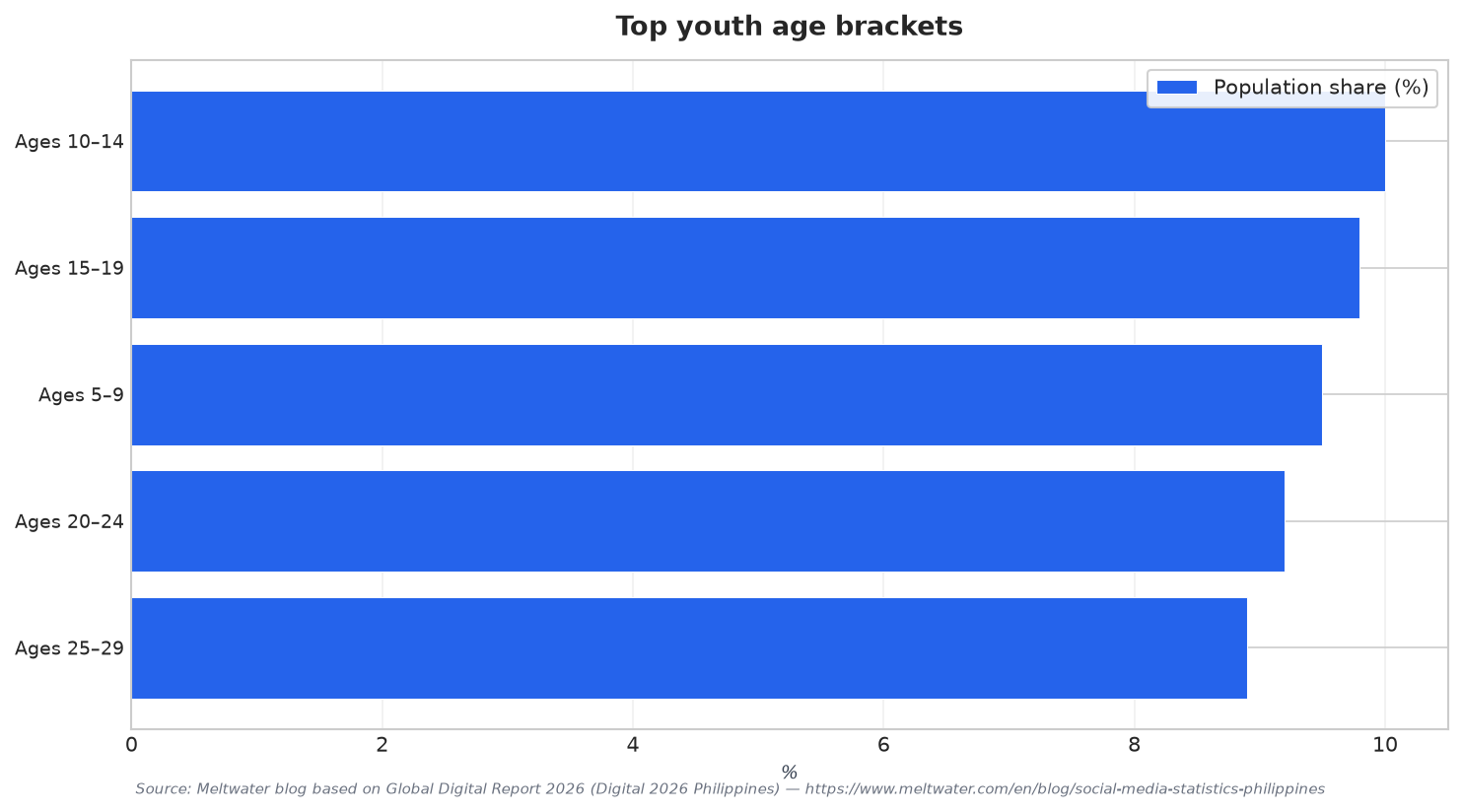
Diary work is also useful because the Philippine audience is not a single “urban mobile” story. The same Meltwater summary notes that 49.1% of the population resides in urban areas and that the country has a median age of 26.1 years. It also reports an average household size of 4.2 and adult literacy (15+) at 98.0% overall. These details matter when you plan diary prompts and check-ins. A young population can create fast-shifting routines, while larger households can shape shared phone use, budget decisions, and group influence. High literacy supports written diary entries, but mobile-first access means voice notes, screenshots, and quick in-app questions can be realistic options.
Why Rural Realities Change Diary Study Design
To run a stronger diary study Philippines teams should treat rural participation as core, not optional. Nielsen reports that rural Filipinos comprise 46% of the population. In the same release, Nielsen says 91% of Filipinos in rural areas now own a smartphone and 87% have internet access, and that its rural study drew on 2,000 face-to-face interviews across rural areas, delivering a representative sample size of 38.4 million. Separately, the 2026 Philippine Hyperlocal Study cited by the Daily Tribune states that the rural SEC D/E market represents about 28.7 million people, with more than three-quarters belonging to Gen Z or Millennials. Diary protocols should reflect connectivity, but also allow for trust-building and practical reporting habits outside major cities.
Consumer diaries can also expose contradictions that surveys miss. RichestPH notes that “three in four” consumers mistrust how brands handle their data, even while “nearly everyone is online.” Another RichestPH article, citing the Dentsu Philippines 2025 Consumer and Media Trends Report, says 90% use the internet daily and 82% are active on social media every day. That same piece describes a tension where 77% want wealth and luxury while 48% pursue minimalism. In practice, diaries let you see when skepticism shows up (for example, when users avoid sharing data) and when curiosity takes over (such as exploring new products or content). This is especially important for research on trust, privacy, and attention.
Finally, diaries help explain the “how” behind digital commerce moments. Spiralytics reports that, on average, consumers make 8.4 purchases every month. It also states that 97% of Filipino audiences say they are open to trying new things, 75% are willing to change their shopping ways if the value proposition is right, and 66% appreciate unconventional approaches. Spiralytics adds that Gen Z and millennials account for 72% of all online purchases, and it estimates a social commerce market worth approximately $2.3 Billion. A diary approach can connect these numbers to daily triggers: which short-form content sparked discovery, what social proof mattered, and how routine browsing turns into repeat buying across weeks.
How does a diary study approach work in the Philippines?
Why should rural participants be included in diary research?
What consumer tensions can diaries help uncover?
What shopping behaviors can a diary study capture day to day?