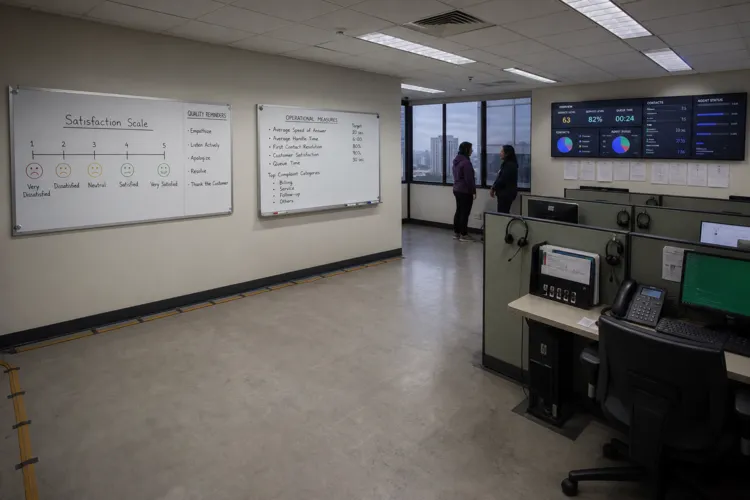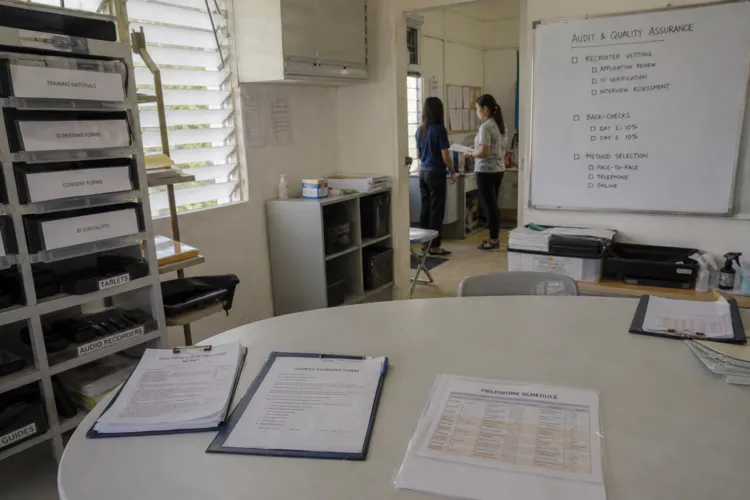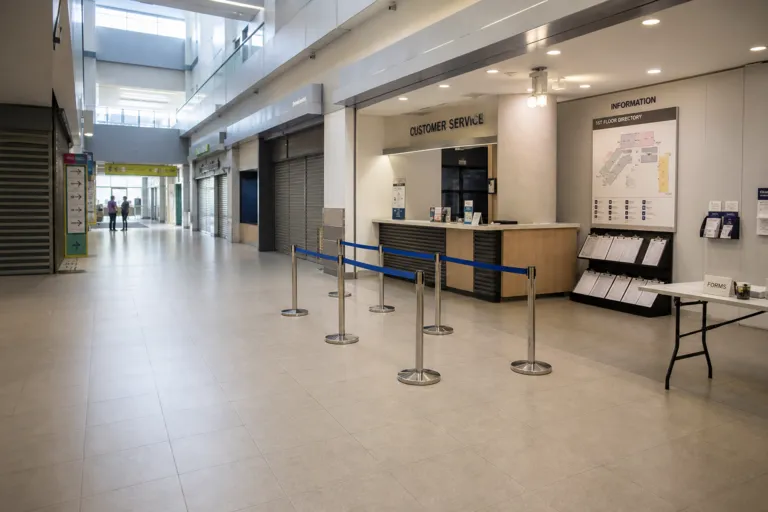
Service consistency is hard to verify when leaders cannot observe every shift, location, and channel. In practice, policy can drift from delivery, and customer memory can blur details a week later. Mystery shopping solves this by sending carefully selected evaluators who pose as regular customers to measure the real experience against defined criteria. The output is structured evidence: what happened at each touchpoint, captured through observable measures such as service quality, execution of brand standards, compliance, product availability, speed, and accuracy, alongside qualitative detail that explains why an interaction felt smooth or frustrating.
In mystery shopping Malaysia programs, the goal is not to catch individuals, but to audit delivery at the location level. This matches guidance that analysis should be conducted anonymously at the location level rather than the individual level, and it aligns with ISO 20252 requirements for market, opinion, and social research, which include provisions for tester training, quality control, and ethical conduct. The work can span in-person visits, calls, online orders, or showroom enquiries, and can include requesting evidence such as receipts, timestamps, and photographs where the law allows. The value is simple: it shows what customers actually encounter when nobody from corporate is watching.
How to Audit Retail, F&B, and Bank Branches for Consistency
Retail, F&B, and bank branches share the same core challenge: a brand promise delivered by many frontline teams. A well-designed program uses one agreed checklist and briefing so results can be compared by location, region, daypart, channel, and behavior. Each visit should return both a score and a story, because a number can show a step slipped, while narrative explains why and what it would take to fix. This cycle mindset matters: measure, coach, and re-measure. A single wave is a baseline, not a verdict, so scheduling audits regularly supports improvement and verifies whether changes worked.
Operationally, digital auditing platforms can help standardize execution and make results usable. Mystery shopper software typically has a secure web portal for creating and assigning checklists, scheduling audits, and analyzing outcomes, plus a mobile app that guides shoppers through a script, lets them attach photos, and compiles reports quickly. Centralized reporting matters because without consolidated data it is difficult to see recurring issues such as which locations fail greeting standards or which regions struggle with cleanliness compliance. Randomized scheduling is also used to produce more realistic reports that reflect true service consistency rather than rehearsed compliance.
Global context shows why many organizations invest in this method, while keeping local decisions grounded in local findings. PwC’s 2025 Customer Experience Survey reports that 70% of executives say customer expectations are evolving faster than their company can adapt, and 83% say they need better tools to measure what really drives purchases. Separately, an MSPA-cited study notes that 78% of businesses utilize mystery shopping to gather direct feedback from customers. On the market side, one source values the global mystery shopping market at USD 2.2 billion in 2024, while another values mystery shopping services at USD 2.31 billion in 2025. These figures are global, not Malaysia-specific, but they underline how widely the approach is used to close measurement gaps.
What is mystery shopping, and what does it measure?
How can mystery shopping support service consistency across retail, F&B, and bank branches?
Why use randomized scheduling in a mystery shopping program?
What standards or ethics apply to mystery shopping work?
How do programs for mystery shopping in Malaysia typically report results?