Before you shortlist a market research agency Philippines buyers can trust, define the decision you need to make. The Philippine market can be complex, with 7,000+ islands, different cultures across regions, high digital and social media use, and consumers who are brand-aware but price-conscious. Sources note that consumer behavior is changing quickly, so assumptions can be expensive. A good agency should help you translate your business question into a research plan that produces local, decision-ready information, not just generic insights.
Next, check whether the agency’s research mix matches your situation. In the Philippines, common approaches include consumer research (buying behavior, brand perceptions, habits and preferences, and customer satisfaction) and business research for B2B insights such as industry analysis, competitive benchmarking, and market sizing and feasibility studies. If your project requires broad feedback, ask how they run market surveys, since sources describe online surveys (for example via Google Forms or panels), telephone surveys using CATI, and face-to-face surveys using CAPI. The best-fit partner will recommend a method based on where your audiences actually are and what proof you need.
Due Diligence Checks: Fieldwork Reach, Proof, and Process
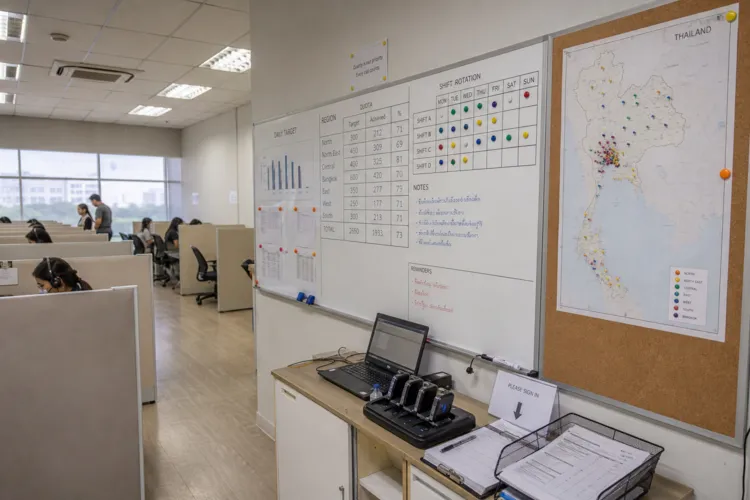
Field capability is a major checkpoint. Sources distinguish field market research from online-only work and list in-person interviews, store audits, product tests, and mystery shopping as examples of real-world data collection. This matters when internet access is limited or when you need ground truth. Ask whether the agency can reach respondents across the country, not just in major cities. For example, one provider states that from a base in Manila it can conduct research across the entire country and act as a fieldwork partner, and it also notes over 30 years in the market research business. Match that kind of operational reach to your target geographies and timelines.
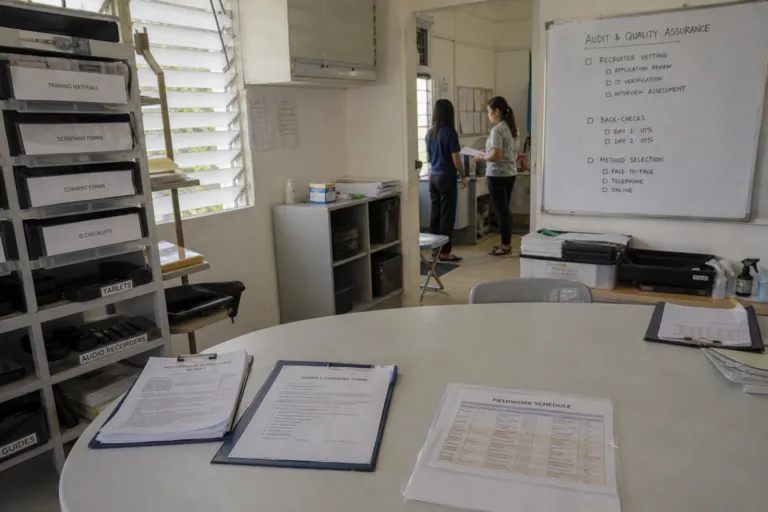
Then validate credibility using independent signals and clear deliverables. One directory states it reviewed 23 market research companies in the Philippines as of October 2026 and reports a median hourly rate of $25, a median client rating of 4.8, and that 26% of firms employ 50+ members. It also describes a 4-step verification process: background check, client interviews, portfolio audit, and ongoing quality review, and notes that “Sponsored” placement does not affect star ratings or review content. Use this context to ask agencies for recent examples, a transparent scope, and a process that goes beyond the debrief, such as workshopping findings into actions.
Finally, look for specialist fit, especially if your audiences are difficult to reach or your project spans sectors. One Philippines-focused provider emphasizes tailored online solutions and says its qualitative and quantitative research supports data-driven decisions, with experience recruiting hard-to-reach audiences and gathering high-quality data, and with over 15 years in the market research business. Another Philippines list highlights that local firms range from long-established full-service agencies to specialists in fieldwork. Commission the partner that can explain why its methodology is appropriate for your objective and can show how it turns surveys, interviews, and analysis into decisions you can implement.
What should I check before hiring a market research agency in the Philippines?
Which research methods are commonly used for market surveys in the Philippines?
Why does field market research matter in the Philippines?
How can I benchmark agencies using third-party directories?