Selecting a research partner is not only about finding a supplier. It is about choosing a team that can help you understand Malaysia’s unique economic landscape, consumer behaviors, and competitive environment. SIS International Research describes market research in Malaysia as the process of gathering and analyzing data on industry trends, customer preferences, regulatory requirements, and market competition. That scope matters when your decisions include market entry, product positioning, or investment choices. Malaysia is also culturally diverse, with significant Malay, Chinese, and Indian communities, which influences consumer preferences and behaviors. A good partner shows how they will translate that diversity into sampling, discussion guides, and analysis that you can act on.
Start with evidence of credibility and fit, not promises. GoodFirms states it has reviewed 32 market research companies in Malaysia (as of August 2026), and it explains its 4-step verification process: background check, client interviews, portfolio audit, and ongoing quality review. That kind of context helps you interpret listings, especially since GoodFirms also notes that “Sponsored” listings pay for premium placement, while sponsorship does not affect star ratings or review content. For budget and resourcing, GoodFirms reports a median hourly rate of $25 for the category, a median client rating of 4.9, and that 13% of firms employ 50+ members. Use those figures as reference points when you compare proposals and staffing depth.
What to Check Before You Sign: Methods, Speed, and Language
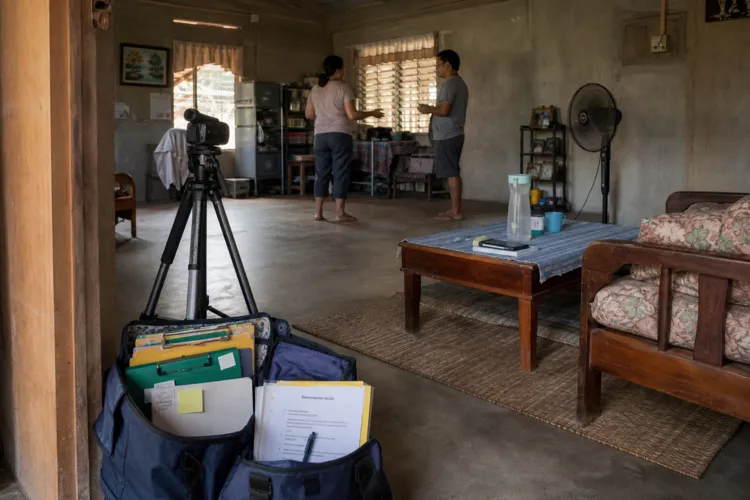
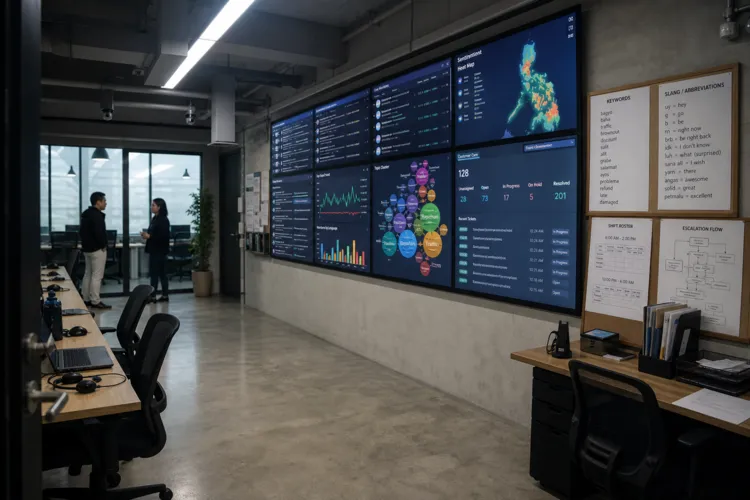
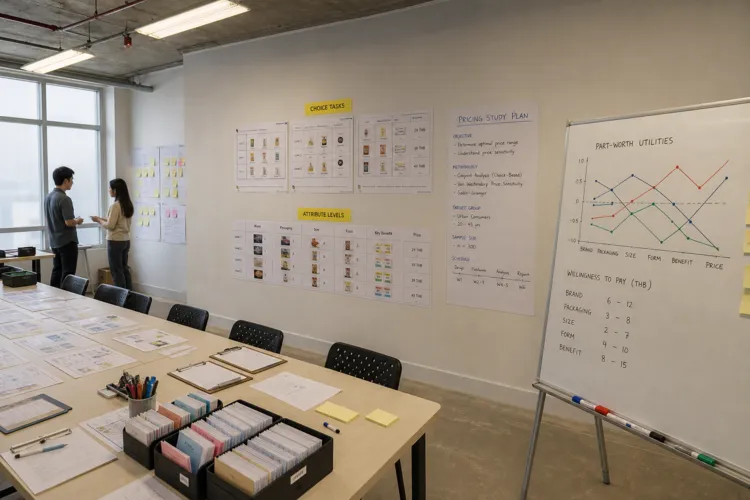
Next, confirm the methods and turnaround you actually need. Standard Insights positions itself around surveys, an online panel in Malaysia, and automated visualization into a customizable report. It also claims results in 1–3 days, not weeks, which can be useful for fast iterations, concept checks, or quick pulse reads. It further notes support for surveys in Bahasa Malaysia and English and more, with AI translation and analysis tools. On the qualitative side, Defiat highlights common approaches such as focus groups and in-depth interviews to uncover the “why” behind the numbers, and it emphasizes the value of on-the-ground connections for richer data. When you evaluate proposals, require a clear plan linking method choice to the business decision you need to make.
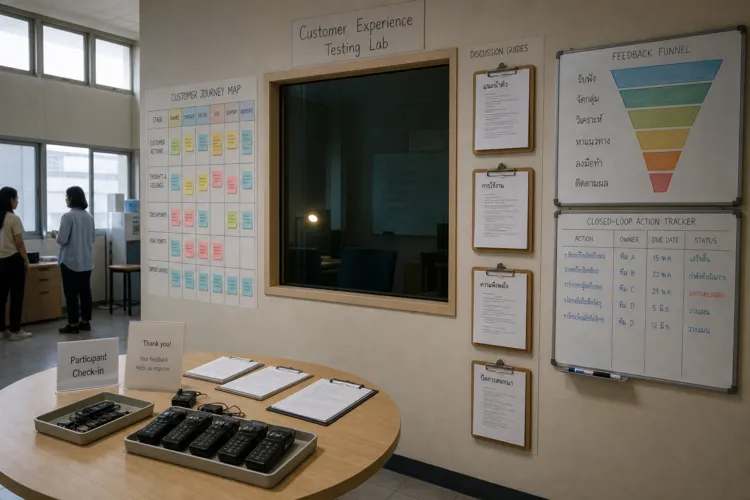
Language and cultural nuance should be explicit in your scope. Kadence International notes that Malaysia’s multilingual population may require research to be conducted in Bahasa Malaysia, Mandarin, Tamil, or English depending on the target audience. That is not a minor operational detail. It affects recruiting, moderation, transcription, and analysis quality. Also ask how the agency will handle segmentation across Malaysia’s culturally diverse communities, since SIS International Research stresses that diversity shapes consumer preferences and behaviors. A strong partner will explain how they avoid cultural misreads, and how they will keep insights grounded in what Malaysian consumers actually say and do.
Finally, pressure-test the partner’s strategic usefulness. SIS International Research lists benefits that matter to decision-makers, including strategic planning assistance, consumer behavior insights, opportunity identification, competitor analysis, trend forecasting, and performance benchmarking. In practice, that means your deliverables should not stop at charts. They should connect findings to market entry strategies, positioning choices, and next actions. If you want brand and insight work to sit together, Sortlist describes Labbrand Malaysia as providing insight-led branding and consumer research in Kuala Lumpur, and it also lists I Concept Digital in Subang Jaya with published reviews. Use directories and reviews to build a shortlist, then choose the market research agency Malaysia teams that can show a clear chain from data collection to decisions.
How do I choose the right market research agency Malaysia partner for my project?
What does GoodFirms report about market research companies in Malaysia?
How fast can survey-based market research in Malaysia be delivered?
Which languages might research need in Malaysia?
Why does cultural diversity matter in Malaysian consumer research?