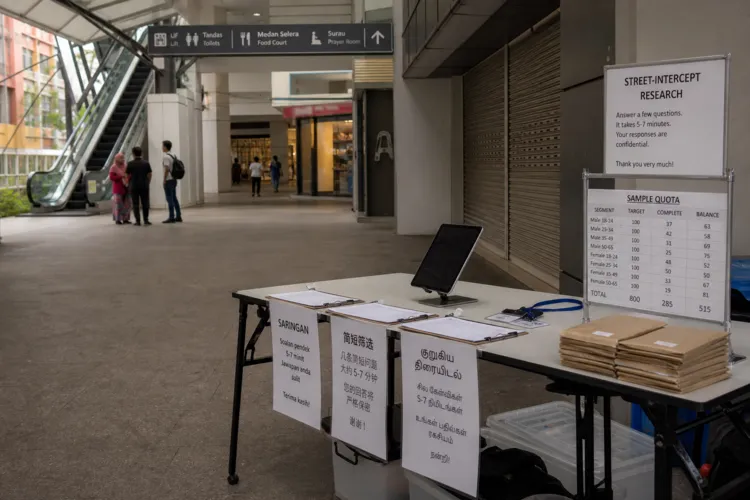

Choosing the right market research agency Singapore teams can trust starts with being clear about what decision the study must unlock. Multiple sources stress that the method should fit the question, not just the budget. In Singapore, companies commission primary research before entering the market, adapting products, or repositioning brands, so your brief should specify what you need to learn and who must act on it. Several providers also emphasize that research value comes from analysis that reveals patterns and leads to actionable choices, not simply raw data. Treat early scoping as the highest-leverage step, because poor scoping can create waste even when execution is strong.
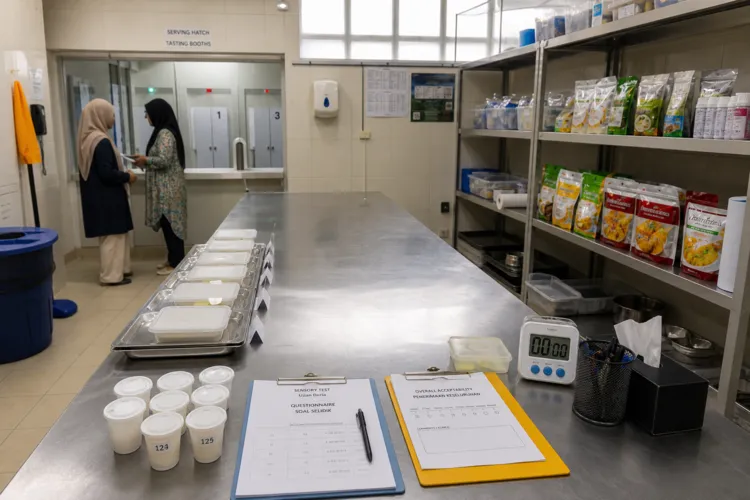
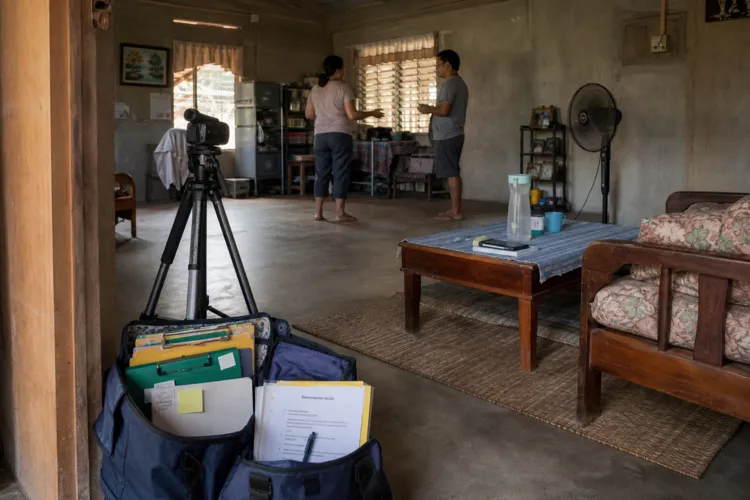
Next, evaluate whether the agency’s method toolkit matches your use case and audience. Common Singapore methods include focus groups, in-depth interviews (IDIs), ethnography, and product testing. Focus groups are typically six to eight participants and often run four to six sessions across different segments, with each session lasting 90 to 120 minutes. IDIs commonly last 45 to 90 minutes and can be better for sensitive topics or hard-to-recruit audiences such as high-net-worth individuals, physicians, or C-suite executives. Ethnography can reveal what people do rather than what they say, and mobile ethnography is increasingly common in Singapore, using participants’ smartphones to capture photos, short videos, and voice notes over several days.
What to Check Before You Sign: Proof, Process, and Fit
Ask for evidence that the agency can recruit and moderate for your target segments in Singapore’s language realities. One guide notes that bilingual moderation in English and Mandarin is standard for focus groups, while Malay, Hokkien, and Cantonese capability becomes necessary for certain demographics, especially older consumers, heartland audiences, and Malay-Muslim segments. Also request concrete proof of experience and capacity. For example, Assembled states it has completed 600+ projects since 2016, and separately describes 700+ five-star Google reviews and a proprietary panel of 100,000+ members that includes HNWIs, physicians, and CXOs. Another guide says Axanteus has over 1,800 projects across more than a dozen industries, which can be useful if you need broad cross-sector pattern recognition.
Then look closely at quality control and how insights will be translated into decisions. Apeiron highlights systematic quality control procedures built into each project stage, spanning questionnaire design, fieldwork supervision, data validation, and analysis to support accuracy and consistency. Equinet’s overview breaks market research into data collection, data analysis, and strategy development, which is a useful checklist for proposals: you want to see how the agency will gather data, how it will turn data into insight, and how it will connect findings to product development, pricing, positioning, or campaign strategy. If your stakeholders need alignment, ask whether the team runs post-analysis workshops, which some firms position as part of end-to-end delivery.
Finally, confirm whether you need an agency-only model or a hybrid stack that includes tools between projects. One 2026 buyer’s guide notes that many Singapore-based teams now run hybrid research stacks, using AI-moderated voice interviews and automatic synthesis to fill gaps between larger studies, while stating that AI does not replace agencies. If you plan to combine tools and partners, define handoffs clearly: who frames the research questions, who recruits, who moderates, who validates, and who owns interpretation. Singapore has choices ranging from global firms known for large-scale syndicated research to locally grounded consultancies and specialized teams, so the best fit is the one that matches your decision, audience, and required rigor.
How do I choose a market research agency in Singapore for my project?
What is a typical focus group setup in Singapore?
When are in-depth interviews better than focus groups?
What language capabilities should I ask for in Singapore research?
Do AI research tools replace agencies in Singapore?