Start with the decision you need to make, not with a list of vendors. Sources stress that relying only on intuition increases the risk of heading in the wrong direction, while measurable research supports more precise decisions. Write a tight objective and the outcome you expect, such as mapping opportunities, measuring brand performance versus competitors, testing campaign effectiveness, or supporting management strategy recommendations. Also define scope early: do you need a national view, or insights for specific regions or demographics within Indonesia? This step helps you screen for relevant sector experience, a portfolio that matches your question, and a working style that fits how your team will use the results.
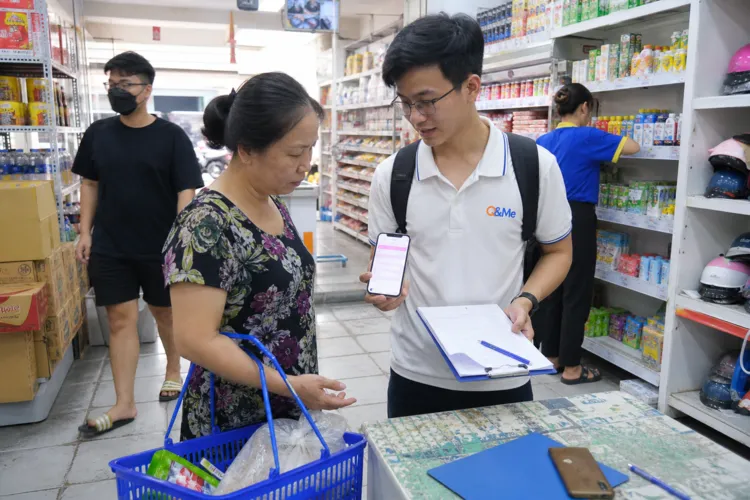
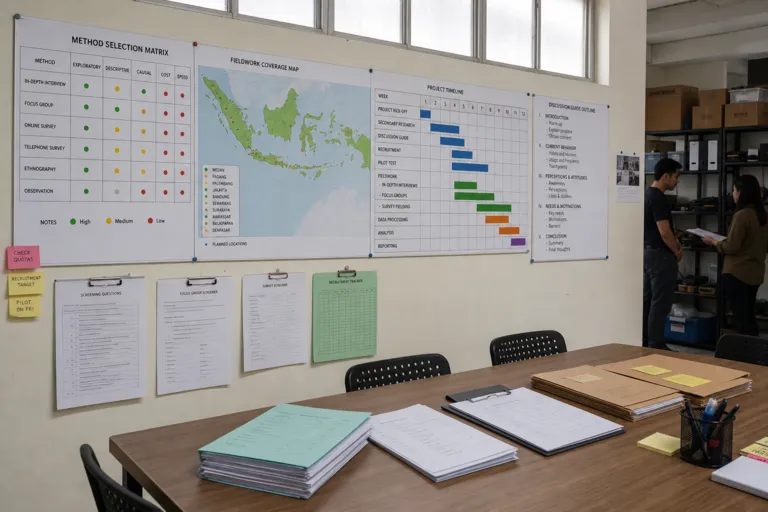
Next, match your objective to the right methodology and make the agency explain its choices. Common approaches mentioned for Indonesia include surveys, focus groups (FGD), and in-depth interviews, often combined across quantitative and qualitative work. Typical study types include large-scale quantitative surveys for statistical insight, qualitative observation and interviews for deeper context, brand health tracking, product and concept testing, and usage and attitude studies. Ask how surveys will be designed for cultural appropriateness and clarity, how fieldwork will be handled across different consumer segments, and how the team will analyze existing market data, consumer trends, and economic reports. Methodology clarity matters, because it determines what conclusions you can defend.
What to Check Before You Sign: Coverage, Reliability, and Delivery
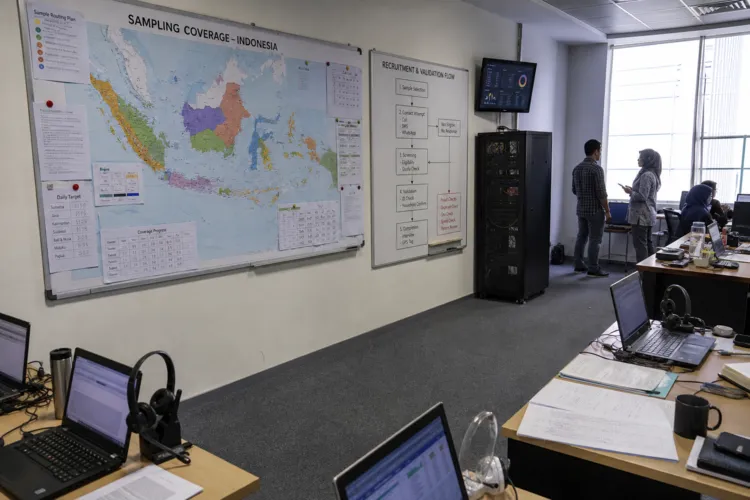
Indonesia’s geographic and cultural diversity makes local execution a real selection criterion. One source highlights that regions have unique consumer characteristics and that the rural-versus-urban divide can make one-size-fits-all strategy risky; it cites urban areas like Jakarta, Surabaya, and Bali as having rapid modernization and digital adoption, while large swathes of rural Indonesia remain less developed. When you evaluate a market research agency Indonesia teams might shortlist, ask how it will recruit respondents across different areas and how it will ensure data reliability. Some agencies position themselves as fieldwork partners with access to respondents across the Indonesian archipelago and the ability to support international work through offices across Asia, Europe, and the US. For your project, convert those claims into a field plan you can review.
Technology should serve decision-making, not distract from it. Multiple sources note that teams increasingly use online platforms to design surveys, recruit participants, and produce AI-powered analysis. One platform claims you can start a project in seconds, gather data in days, and create reports in clicks, with results visualized in customizable and shareable reports and AI support during analysis. Ask what the deliverables will be in plain terms: will you receive a raw dataset, a dashboard, a narrative report, and strategic interpretation that links findings back to your business decision? Also confirm how insights will be translated into actions such as competitive positioning, product customization, or risk mitigation in areas like regulatory changes, economic shifts, or logistics.
Finally, set expectations on roles, timeline, and how results will be used internally. One source distinguishes a research agency (focused on data collection and analysis) from a business consultant (who uses research results to recommend strategy). That difference affects who owns synthesis and what “finished” looks like. For timing, a source states market research is generally conducted in 2–6 weeks depending on geographic coverage and method, while also noting timelines can be shorter based on client needs. Use this range to pressure-test proposals: if a plan is faster or slower, ask what changes in sample, geography, or method. Then compare agencies on fit, transparency, and the ability to deliver reliable, locally grounded insights your team can act on.
How do I choose a market research agency in Indonesia without guessing?
Should I ask for quantitative research, qualitative research, or both?
What fieldwork coverage questions matter most in Indonesia?
How long does market research usually take in Indonesia?
What should I expect from technology and AI in agency reporting?