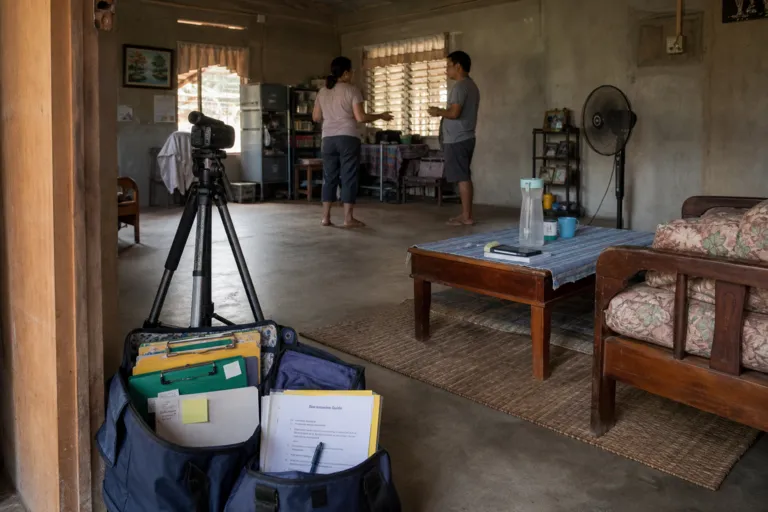
Many organizations say they understand customers, yet the “truth” often comes from spreadsheets, generic surveys, or focus groups held in controlled rooms. Several research guides warn that what people say in a questionnaire can differ from what they actually do in daily life. That gap is where ethnographic work becomes valuable. Instead of relying on self-reported claims, researchers observe people in their natural environment—at home, in stores, in cars, or online—to capture behavior in context. This kind of qualitative work aims to uncover emotions, habits, and the small moments that shape real choices, not just the opinions people can easily articulate.
In the Philippine market, context matters because the country has varied cultural influences, languages, and regional dynamics. One market research overview describes the Philippines as a confluence of East and West and notes a population pushing past the 100 million mark, along with an economy that has shown consistent growth in past decades. It also stresses that the country’s unique socio-cultural dynamics and diverse regional markets make local research vital. For businesses, this supports risk mitigation, product localization, and more informed investment decisions. It also helps teams identify gaps and opportunities with a clearer view of the competitive landscape.
What Ethnography Captures That Surveys Miss
Ethnography is designed to surface “behavioral truth.” It focuses on what people actually do, not only what they claim in an interview or survey. One definition describes it as a qualitative method where a moderator and small team interview a respondent in their home or office to gain observational insight into lifestyle and everyday behavior. Another fieldwork provider emphasizes that ethnographic methodology requires specialized data collection and analysis capabilities, and that researchers need to be present in the environment and take field notes. Data can be multifaceted: verbal feedback, behavioral feedback, choices, family or community interactions, and even body language.
This approach can reveal practical barriers and hidden drivers of purchase and usage. A guide gives a simple illustration: a brand may assume detergent sales are weak due to price, but observation in a laundry room could show the bottle leaks or the cap is hard to open, leading people to stash it away and forget to rebuy it. Ethnography can also add depth to quantitative results. For example, where a survey might report that “60% of people prefer Product A,” field observation can explain why—such as packaging fitting better in a kitchen drawer or the product feeling more premium during use. These details often shape loyalty and rejection.
For ethnographic research Philippines teams, the payoff is more usable insight for localization and strategy. Philippine-focused market research commentary highlights the need to study regional diversity, cultural variations, and consumer behavior differences across the country, since one-size-fits-all approaches can fail. It also recommends using more than one method, combining approaches to build a deeper understanding, and stresses the importance of being polite and putting participants at ease. In practice, ethnography complements surveys and interviews with observational evidence, helping brands tailor marketing messages and refine products based on cultural and social influences seen in everyday life.
Why can surveys miss what people really do?
What does ethnographic research in the Philippines typically involve?
What kind of data does ethnography collect beyond answers to questions?
How does ethnography support product localization in the Philippines?
What is one example of an insight ethnography can uncover?