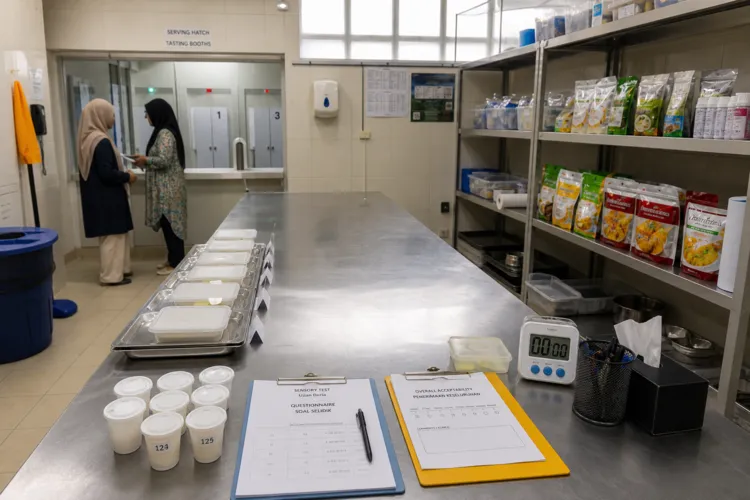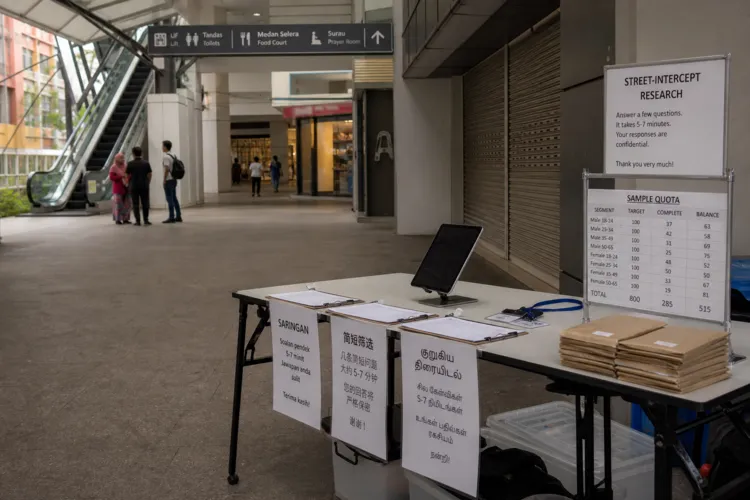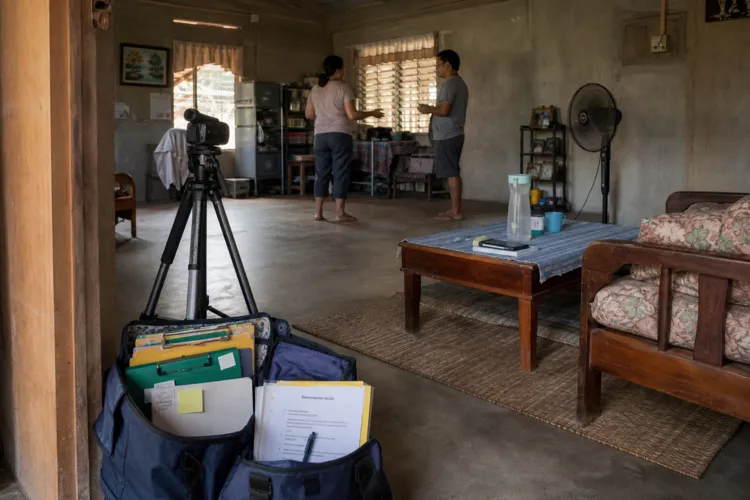
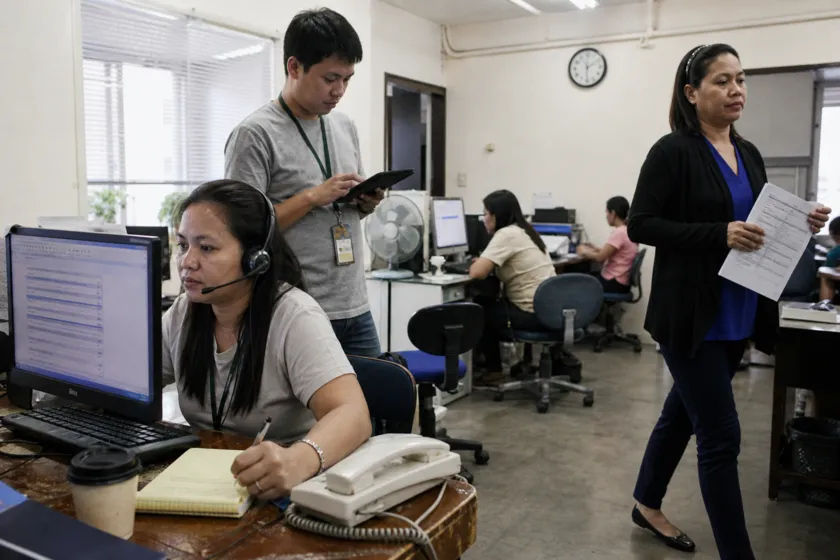
In the Philippines research context, the real question behind “CATI vs online surveys” is not which mode is newer. It is which mode still delivers usable, defensible answers in 2026 when access, trust, and attention vary by audience. Computer-Assisted Telephone Interviewing (CATI) is a method where a human interviewer calls respondents and uses software to guide the questionnaire, apply skip logic, and record answers in real time. Online surveys are self-administered via digital platforms, which makes them fast and cheap for simple feedback collection. But the trade-off is that online-only work can break when comprehension is uneven or when important groups do not click links or finish long forms.
CATI keeps earning a place when you need higher completion and a sample that looks more like the real world, not just the people who enjoy taking surveys online. One 2026 example cited in healthcare work used a 14-person research team across three hospital systems and surveyed adults aged 65+ after discharge. The online response rate stayed below 9%, and completions skewed wealthier and more digitally fluent than the target population. After shifting a large portion of fieldwork to CATI, completion moved past 30%, and the dataset became less flattering and more representative of the service reality. This illustrates why interviewer-led modes are still used in government, healthcare, opinion polling, and market research when representativeness is a core requirement.
What CATI Software Adds (Beyond “Calling People”)
In 2026, CATI is not a person reading from a spreadsheet. CATI survey software standardizes the interview and reduces avoidable error by displaying questions dynamically, applying automated skip logic, recording responses in real time, tracking call outcomes, and monitoring interviewer performance. Structured workflows typically include questionnaire design inside the platform, sample management and uploads, call scheduling and routing, real-time capture, quality control, and export for analysis. Built-in validation can flag inconsistent or impossible answers immediately, while quota management lets teams monitor sample composition during fieldwork. The human interviewer then adds what online forms cannot: neutral clarification, pacing, and probing without leading, which can prevent incomplete responses in longer or more technical instruments.
Online surveys still dominate many programs for clear reasons. They are accessible, quick to field, affordable, and easy to scale, especially for straightforward questionnaires where the risk of misunderstanding is low. They are also a natural fit when the objective is “simple feedback collection,” as one 2026 guide frames it. However, sources also warn that online modes can be vulnerable to bots, duplicate responses, and low-quality panel data, while interviewer-led surveys reduce these risks. That matters when your Philippines study has incentives, high stakes, or a target audience that may be underrepresented in online-only research. In those cases, treating online as the default can increase bias even if the fieldwork looks efficient.
For many Philippines teams, the most practical 2026 answer is not choosing one mode forever. It is choosing based on who you must reach and what quality bar you must meet. Multiple sources recommend combining CATI and online surveys in mixed-mode strategies, because each method has a different job. Use online surveys when speed and budget are the priority and the questionnaire is easy to self-complete. Use CATI when accuracy, representation, and control are critical, or when respondents may need clarification to complete a structured instrument. The “CATI vs online surveys Philippines” decision becomes simpler when you define success as credible data, not just fast data.
How should teams in the Philippines choose between CATI and online surveys in 2026?
What completion-rate difference do the sources report when switching from online to CATI in healthcare work?
What does CATI software do that improves structure and data quality?
Why can online-only surveys underperform for some audiences?