Southeast Asia is a high-velocity digital commerce region, and that pace changes what “good” research looks like for brands. The region’s digital economy reached USD 218 billion in gross merchandise value (GMV) in 2023, with e-commerce representing approximately USD 139 billion, according to the e-Conomy SEA report cited by Hashmeta. Hashmeta also describes Southeast Asia’s e-commerce ecosystem as valued at over USD 200 billion, and notes internet penetration has climbed past 75% across the region’s six major markets: Indonesia, Thailand, Vietnam, the Philippines, Malaysia, and Singapore. In environments like this, research that takes weeks can miss the moment, which is why faster insight loops matter.
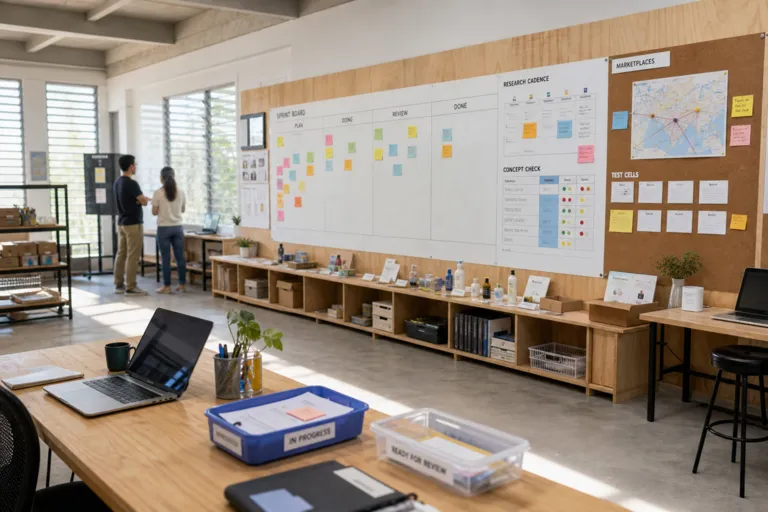
Agile market research is built for that kind of change. SurveyMonkey describes it as a way to streamline data collection and analysis so insights arrive faster than traditional approaches that can take weeks. Instead of one long, linear project, the work is broken into smaller “sprints,” with real-time, asynchronous feedback and quick adjustments. One example SurveyMonkey shares is concept testing that uses iterative improvements and retesting with updated A/B variants or max-diff surveys over successive two-week cycles. The goal is practical: keep validating with customers as you build, so decisions reflect current feedback rather than outdated assumptions.
How Iteration Turns Feedback Into a System
Iteration is not only for surveys. Discuss.io explains that agile approaches to consumer insights can run in short waves or sprints, with a built-in customer feedback loop that leverages the voice of the consumer (VoC) for directional guidance. Discuss.io also notes that teams value including stakeholders in the process as part of development and iteration. In one agile qualitative example, the cycle spanned about two weeks and was repeated in 5–7 waves, with learning from earlier waves shaping the next round. The advantage is compounding learning: each wave is designed to improve what you test, not just report what happened.
For Southeast Asian brands, speed often comes down to the tools and panels you can access locally. Vase.ai lists several platforms designed for fast, iterative concept and creative checks, including Toluna and Zappi, and highlights Milieu Insight as a Southeast Asia-focused consumer research company with regional survey panels. Vase.ai is positioned specifically for Southeast Asian consumer research, with a verified 3.6 million-person regional panel, AI-validated responses, real-time dashboards, and turnaround in as little as 24 hours from around USD 1,000 per study. For teams launching frequent tests, that kind of turnaround can make “test and refine” a weekly habit instead of a quarterly event.
There are also clear boundaries to this approach. Adience explains that agile research aims to deliver actionable insights in hours or days, rather than the weeks or months typical of traditional market research, and it works well for rapidly testing concepts, messaging, or product features. But Adience also cautions that agile is less useful for comprehensive, detailed, long-term market research and consultancy projects, especially when teams have many research questions or need weeks of evidence gathering for big decisions. The practical takeaway for Southeast Asian brands is to match method to moment: use sprints to keep pace with market shifts, and reserve deeper programs for questions that truly require long-form rigor.
What is agile market research in practical terms?
How long can an iterative research sprint cycle take?
Which Southeast Asian e-commerce figures make fast insights more important?
What is an example of fast turnaround for Southeast Asia concept testing?
When is an agile approach not the best fit?