
Robust quantitative studies begin with a simple discipline: design around the decision you need to make. In Singapore, agencies commonly run primary research to support market entry, product changes, or brand repositioning decisions. One practical rule is to match method to question: focus groups help explain why, while surveys quantify how many. For quantitative work, that means turning business hypotheses into clear variables, structured questions, and a sampling plan that can stand up to scrutiny. It also means planning analysis early, so you know what you will be able to conclude from the data you collect.
A strong quantitative design for Singapore also begins before fieldwork. Several providers emphasize end-to-end workflows that start with survey or questionnaire design and extend into data collection and analysis. Common collection approaches used locally include face-to-face, online, and phone surveys, plus supporting inputs such as research databases, news and reports, government publications, and digital trends analytics software. This matters because the quality of insights depends on both instrument design and execution. Build checks for reliability, align question wording to what respondents can answer, and structure response options so analysis can cleanly support business actions.
Build the Right Singapore Method Mix and Sample
For market entry research, one Singapore-focused guide recommends a hybrid sequence: (1) secondary research to map the landscape, (2) targeted qualitative research to understand decision-making, and (3) small-sample quantitative research with 500–1,000 respondents to size opportunity and validate hypotheses. The same guide warns against relying on a large online survey simply because Singapore’s high digital penetration makes online surveys cheap and fast. Use quantitative measurement for “what,” then use targeted qualitative work to pressure-test “why,” so you do not misread drivers behind reported intent or preference.
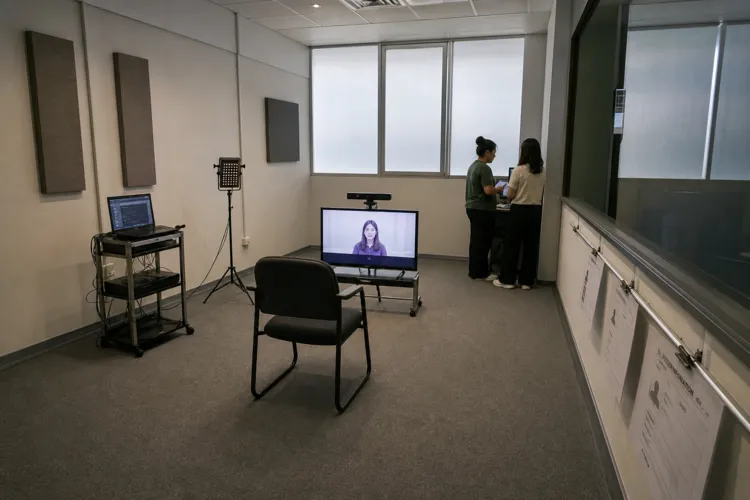
Operational details shape validity in Singapore. For focus groups, typical sessions involve six to eight participants, and a standard project may run four to six sessions across consumer segments, with each session lasting 90 to 120 minutes. Bilingual moderation in English and Mandarin is described as standard, while Malay, Hokkien, and Cantonese capability can become necessary for certain demographics, including older consumers, heartland audiences, and Malay-Muslim segments. Even if your core study is quantitative, these execution realities inform questionnaire language, recruitment screening, and how you structure demographic quotas for a defensible read of the market.
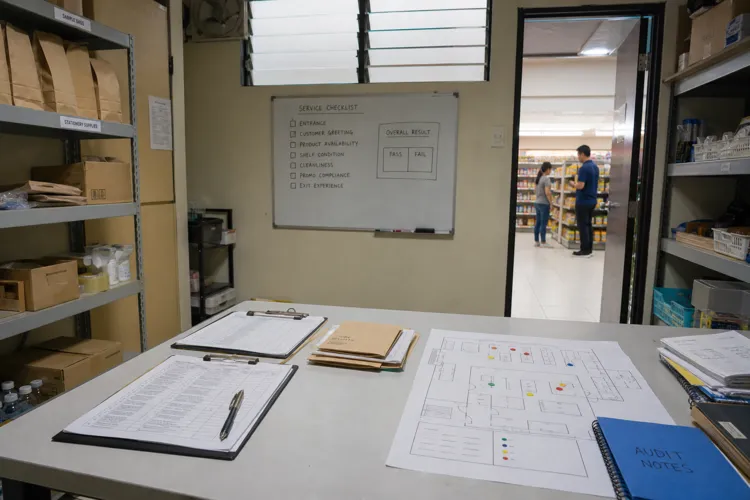
To keep a quantitative program robust, define governance and quality controls as part of quantitative research design Singapore teams can defend internally. Use international research standards and build repeatable steps: recruitment rules, fieldwork supervision, and a clear analysis plan that includes quantitative, qualitative, or hybrid interpretation when appropriate. Agencies operating in Singapore describe capabilities spanning surveys, interviews, focus groups, mystery shopping, and strategy research, supported by advanced data collection and analysis tools. The aim is not more data, but clearer direction: convert structured findings into specific positioning, product, or customer experience decisions with documented assumptions and limits.
How do you choose methods for a robust quantitative study in Singapore?
What sample size is suggested for small-sample quantitative validation in Singapore market entry work?
What are typical focus group parameters used in Singapore research projects?
How does language affect research execution in Singapore?
How should teams think about quantitative research design for Singapore specifically?