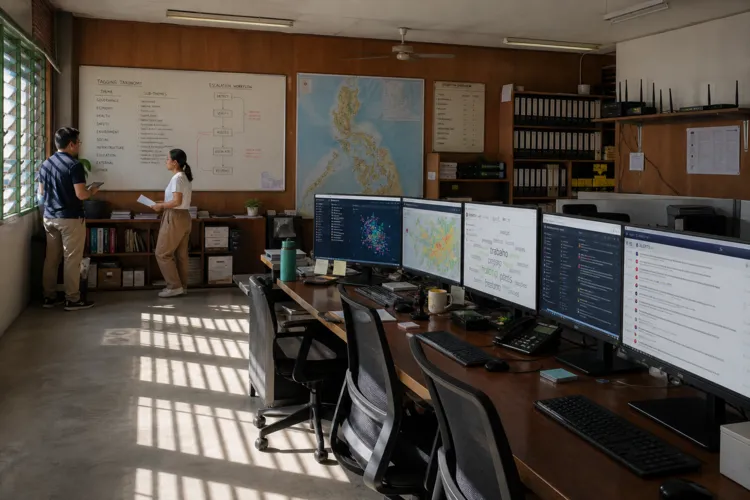
A strong brand tracking study Philippines program starts with local realities, not assumptions. The Philippines spans 7,000+ islands, with different cultures by area, heavy use of digital and social media, and consumers who are brand-aware but price-conscious. These factors make research design choices matter, especially when you need results that are comparable over time. Start by defining what you want to track: brand perception, customer satisfaction, buying habits, and how people see your brand versus competitors. These are common consumer-research focuses used for sectors like retail, financial services, e-commerce, and FMCG, and they translate directly into measurable brand-health metrics for tracking.
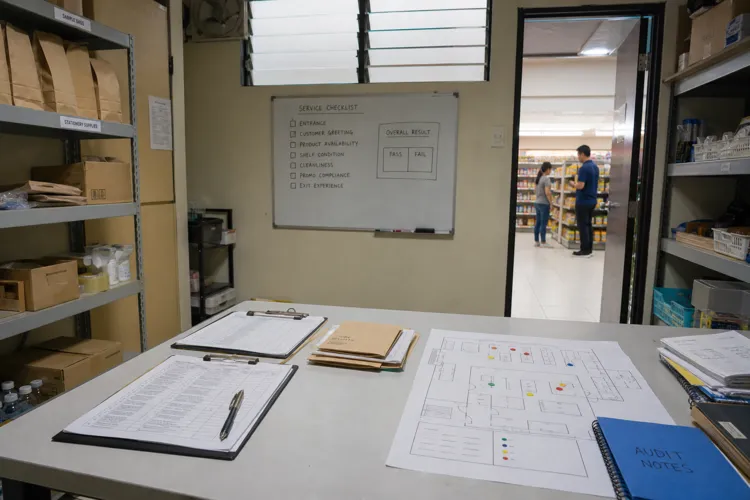
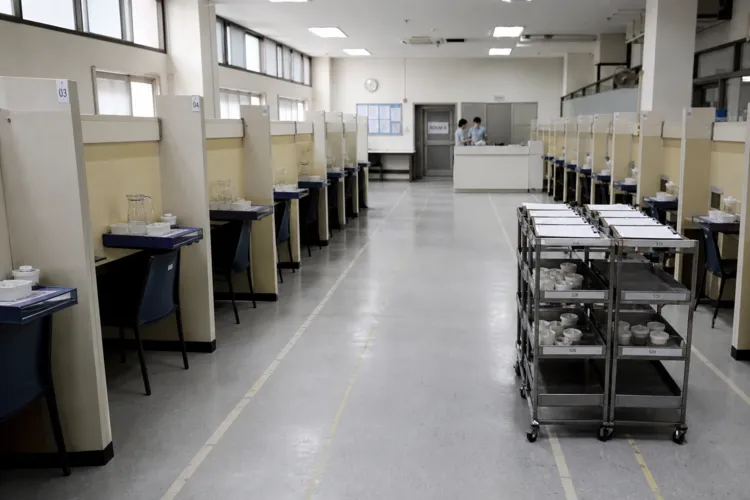
Next, make the sampling plan match the country’s diversity. Market research guidance for the Philippines emphasizes segmenting target markets by demographics, geographics (Metro Manila versus provincial areas; urban versus rural), psychographics, and behavioral factors such as brand loyalty and purchasing frequency. Practical data collection options include online surveys, telephone-based CATI, and face-to-face CAPI, plus in-person approaches like interviews, store audits, product testing, and mystery shopping. This mix matters because fieldwork can be critical where internet access is limited or when real-world validation is needed. A professional agency can also support panel recruitment, location-based sampling, and fieldwork management to protect data quality and representativeness.
Set a Wave Cadence and Lock the Method for Trend Readability
Tracking only works if waves stay comparable. A multi-market brand health tracking program across Asia-Pacific was designed as a recurring quantitative study, run either quarterly or twice yearly, with demographic spread across the Philippines, Japan, Australia, and South Korea. The case emphasizes methodological stability across waves to enable meaningful trend analysis and benchmarking. Apply the same principle locally: keep your core questionnaire stable, preserve sampling rules, and treat any necessary changes as clearly documented breaks in the series. If you need creative learning, pair tracking with qualitative work, then use follow-up quantitative online surveys to test brand concept execution after you understand perception drivers.
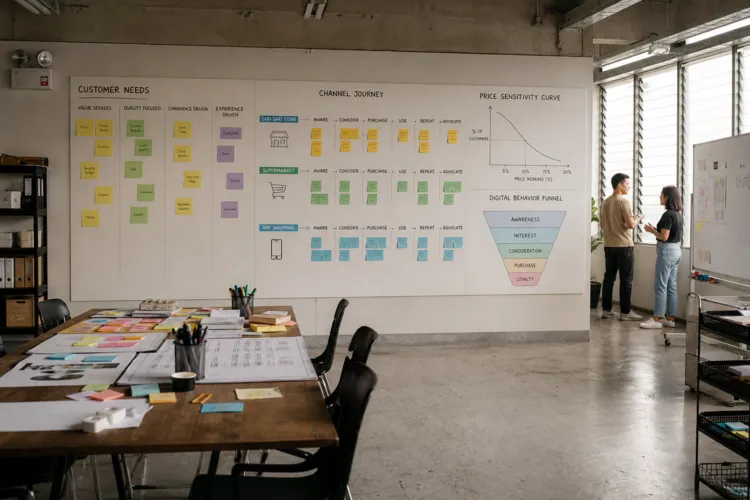
Build your questionnaire around the channels shaping brand experience. Retail is described as a dual structure in the Philippines, with traditional outlets such as sari sari stores and wet markets alongside a modern trade sector, and the country’s retail market was valued at USD 45.62 Billion in 2024 and projected to reach USD 78.90 Billion by 2032. That context supports a tracking design that measures both offline and online touchpoints, especially as omnichannel strategies link physical footprints to online storefronts. Put consistent, repeated measures around awareness, consideration, preference, and satisfaction, and add modular questions that can rotate by wave for tactical learning without breaking the time series.
Finally, treat e-commerce behavior as a design input, not an afterthought. For the Philippines, mobile is described as the default for e-commerce, with the vast majority of Shopee sessions originating from mobile. Platform dynamics can also shape share of mind: Shopee held 55% of the combined top platform GMV in FY 2025, up from 50% in FY 2024, and the same source reports USD 12 billion in Philippines GMV and 399 million orders in 2025 for Shopee. Use these realities to inform tracking stimuli and journey questions, such as mobile-first ad recall, in-app search, and checkout experience, while keeping your core brand-health KPIs consistent wave to wave.
How do I design a brand tracking study for the Philippine market without overcomplicating it?
How often should brand tracking run in the Philippines?
Which data collection methods fit Philippine brand tracking best?
Why should a Philippine tracker include both offline and online touchpoints?
What e-commerce facts should influence brand tracking design in the Philippines?